
The United States has seized a Venezuelan oil tanker, the first of its kind under ongoing sanctions, and is preparing to intercept additional vessels.
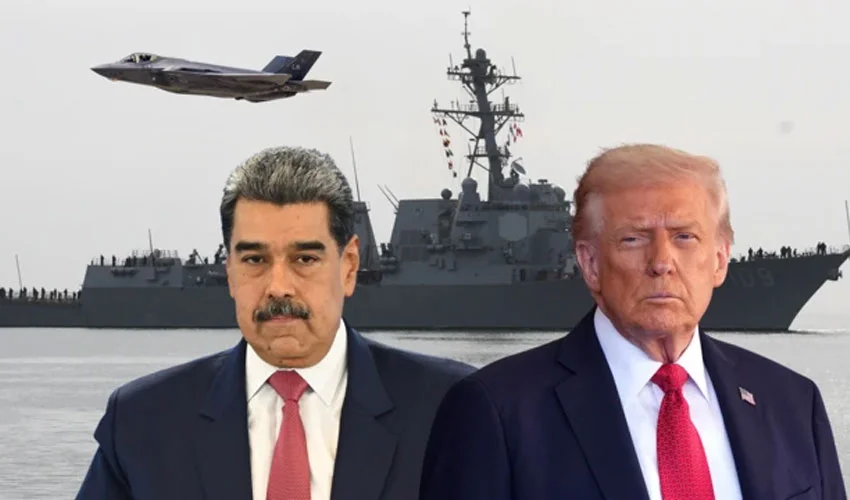
The move intensifies pressure on President Nicolás Maduro and disrupts shipments of Venezuela’s crude to international markets.
The tanker, named Skipper, was intercepted off Venezuela’s coast this week. U.S. authorities plan to take the vessel to an American port to legally seize its cargo of crude oil. White House spokeswoman Karoline Leavitt said the action targets “sanctioned vessels sailing with black market oil” fueling illicit activities.
The seizure has temporarily suspended shipments totaling nearly 6 million barrels of Venezuela’s flagship export grade, Merey. Trading sources said tankers waiting to deliver oil to Asia were put on hold following the U.S. action.
Expansion of US measures
Sources familiar with the matter revealed the U.S. has assembled a target list of additional sanctioned tankers for potential seizure. These ships often transport oil from Venezuela, Iran, and Russia as part of a so-called shadow fleet.
The U.S. Treasury recently imposed sanctions on six supertankers and four Venezuelan nationals, including three relatives of President Maduro’s wife, Cilia Flores. The Justice Department and Homeland Security have been planning these interdictions for months.
Venezuelan response
Caracas condemned the seizure as an act of “international piracy.” Maduro accused the U.S. of attempting to overthrow his government and seize Venezuela’s oil resources. He vowed the nation would never become an “oil colony.”
Experts on maritime law argue the move does not constitute piracy under international law, noting the seizure was sanctioned by the U.S. government. Laurence Atkin-Teillet, a piracy law specialist at Nottingham Law School, described Caracas’ claim as rhetorical rather than legally accurate.
Regional and international implications
The U.S. has recently conducted more than 20 strikes against vessels allegedly involved in drug trafficking, killing over 80 people. The ongoing military buildup in the southern Caribbean is part of the broader effort to enforce sanctions on Maduro’s regime.
Shipowners and operators are now reassessing voyages from Venezuelan waters, as many vessels in the shadow fleet are old, have opaque ownership, and lack full insurance, making ports reluctant to receive them.
Leavitt emphasized the U.S. remains committed to enforcing sanctions while stopping illegal narcotics shipments, framing the action as part of a coordinated effort against “rogue and illegitimate regimes.”