
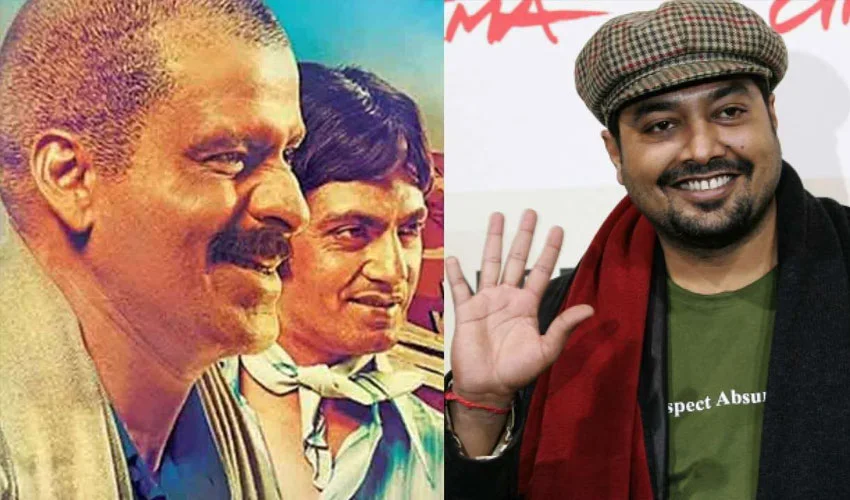

Filmmaker Anurag Kashyap has candidly explained why audiences should not expect films like Ugly or Gangs of Wasseypur from him again, pointing to stricter censorship and a changing creative climate in Hindi cinema.
In an exclusive interview with Galatta Plus, Anurag Kashyap shared unfiltered thoughts on the current state of filmmaking in Bollywood. He reflected on how making bold, uncompromising films has become increasingly difficult.
The director made it clear that the industry environment today is very different from when his most celebrated films were made.
“I can’t make those films anymore”
Kashyap openly ruled out returning to films like Ugly, Dev.D, or Gangs of Wasseypur. He said such projects would not survive the current censorship process.
“Today, when I make films, I get questions like, ‘Why don’t I make a film like Ugly, or Dev.D, or even Gangs of Wasseypur?’ The thing is, I can’t make them. They won’t pass. They won’t clear the censors,” he said.

According to Kashyap, the political and cultural landscape has shifted significantly. He believes audiences and authorities no longer respond to the same kind of storytelling.
“The political scenario has changed. Censorship has changed. Everything has changed,” he explained, adding that these shifts directly affect what kind of cinema gets approved and released.
Corporate control over Hindi cinema
The filmmaker also criticized the growing corporate influence in Bollywood. He argued that many decision-makers today lack personal investment in cinema as an art form.
“Everything is being run by corporates. Everything is being run by people who don’t have skin in the game,” Kashyap said, suggesting this has diluted creative risk-taking in Hindi films.
Kashyap pointed to newer, low-budget films like The Girlfriend and Court: State vs. a Nobody as examples of meaningful cinema still succeeding.
He said these films work because producers are personally invested. “It’s the old school, where people invested in cinema are producing films. This is not true in Hindi cinema,” he noted.
Drawing comparisons, Kashyap praised Tamil and Malayalam film industries for their constant innovation. He credited them for supporting fresh ideas and filmmakers willing to experiment.
According to him, this creative backing allows southern cinema to evolve, while Hindi cinema struggles under commercial and institutional pressure.