
Pakistan saw a noticeable decline in terrorist attacks after closing its border with Afghanistan, according to a new report by the Centre for Research and Security Studies (CRSS). The report says attacks dropped by nearly 17% in December 2025, following a 9% decrease in November, after the border closure in October. Despite this improvement, overall violence in 2025 remained the highest Pakistan has faced in the past ten years.
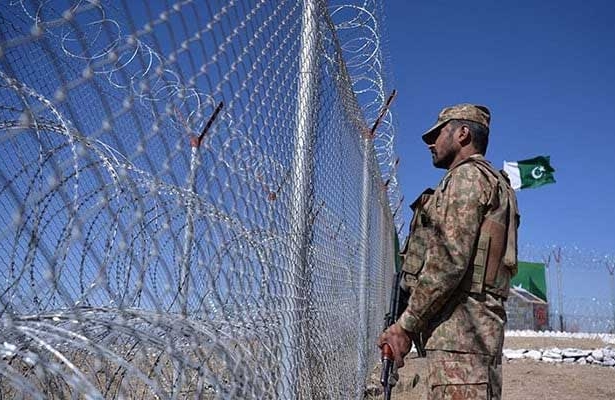
The Pakistan-Afghanistan border was shut on October 12 after armed attacks on Pakistani military posts along the frontier. The clashes led to heavy fighting, during which more than 200 militants were killed and 23 Pakistani soldiers lost their lives. Pakistan also carried out targeted strikes inside Afghanistan. A temporary ceasefire was announced on October 15, and a formal ceasefire agreement was reached on October 19 through talks held in Qatar with mediation by Qatar and Turkiye.
CRSS data shows that civilian and security forces’ deaths linked to terrorism declined toward the end of the year. Fatalities among civilians fell by nearly 4%, while deaths of security personnel dropped by around 19% in November and December combined. This suggests that tighter border controls and security operations helped reduce losses in the final months of the year.
However, the report highlights that 2025 was still the most violent year Pakistan has experienced in a decade. Overall violence rose by 34% compared to 2024, continuing a worrying trend that began in 2021. The country recorded 3,417 deaths and more than 2,100 injuries from 1,272 violent incidents, including terrorist attacks and counter-terrorism operations. This marked a sharp increase from the 2,555 fatalities reported in 2024.
Khyber Pakhtunkhwa and Balochistan were the hardest-hit regions. Together, they accounted for more than 96% of all deaths and 93% of violent incidents nationwide. Khyber Pakhtunkhwa alone saw a 44% rise in fatalities, with deaths increasing from 1,620 in 2024 to 2,331 in 2025. Balochistan also experienced a significant increase, with fatalities rising from 787 to 956 over the same period.
In contrast, Punjab and Sindh reported much lower levels of violence. Punjab recorded 40 deaths from 25 incidents, while Sindh saw 56 deaths from 51 incidents. Islamabad, Azad Jammu and Kashmir, and Gilgit-Baltistan remained relatively less affected, although some areas did witness small increases compared to the previous year.
The report also notes that 2025 was the deadliest year for militants and outlaws. More than 2,060 were killed during at least 392 security operations, making up over 60% of total fatalities. This number was higher than the combined deaths of civilians and security personnel. Despite this, civilians and security forces suffered the majority of injuries, accounting for over 90% of all those wounded.
Overall, while Pakistan’s firm action at the border helped reduce attacks in the final months of 2025, the year as a whole reflected the country’s ongoing struggle with violence. Security analysts say sustained regional cooperation and internal stability will be key to turning the recent decline into a long-term improvement.