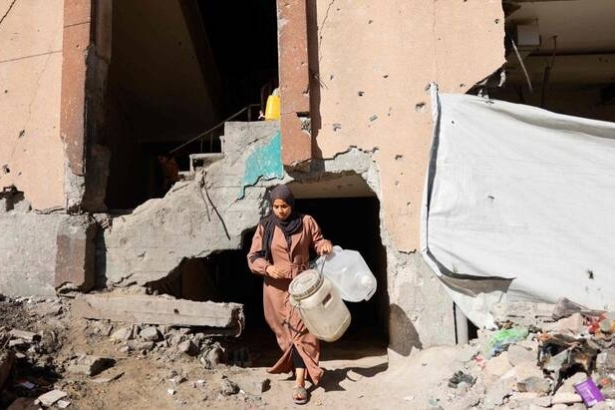

Gaza City: Despite the signing of a ceasefire agreement over two months ago, the conflict and fighting continue in Gaza. It has been reported that approximately 2,500 buildings, which had managed to resist the bombing, are now reduced to rubble, worsening the humanitarian crisis.
International sources point out that many of the structures that were torn down are located in territories that were previously ostensibly owned by Israelis, including the “Yellow Line.” These actions are seemingly following the pattern of an Israeli policy, even while the ceasefire was in place.
Last year, it was reported by the United Nations that more than 80 percent of Gaza’s structures have been either damaged or destroyed. However, it seems that new destructions have even reduced any available space that was previously offered to Gaza citizens.
According to the Palestinian government, the number of victims continues to rise, with the death toll already over 71,400 since the outbreak of the fighting. Most of the victims are civilians, and the majority are left homeless due to the destruction of their homes.
The international community has called for scrupulous respect for the ceasefire agreements and, on both sides, an avoidance of those actions that could fuel the tension. The humanitarian organizations are warning of the risk of a further crisis being created through the destruction of civilian infrastructure in Gaza.
“The reconstruction of Gaza will need enormous international backing, and any further destruction of civilians’ infrastructure is not what this region needs,” emphasized a spokesperson for the United Nations.
Israeli officials claim their attacks are aimed at security threats and strategic sites, but others believe that the destruction of buildings in the midst of a ceasefire makes it even more challenging to achieve peace and exacerbates the situation in Gaza.
The situation in Gaza also illustrates the delicacy of a ceasefire and the need for renewed diplomacy in order to avoid further loss of lives and infrastructure. The people in the affected zones live in a state of limbo, surviving in tents and receiving international support.
The aftermath of these occurrences draws on the caution of global onlookers, urging that a level of restraint be exercised, as a means of guaranteeing that reconstruction and humanitarian aid can get underway unimpeded.