
As fresh protests grip Iran and US President Donald Trump issues renewed warnings of possible intervention, Pakistan is watching the situation with growing concern. Officials and experts say Islamabad firmly opposes any regime change in Iran, warning that the consequences for Pakistan and the wider region could be severe.
Iran is not a distant issue for Pakistan. The two countries share a long and sensitive border of nearly 900 kilometres, much of it adjoining Balochistan, Pakistan’s most fragile province. Any instability in Iran, analysts warn, would quickly spill across the border, fuelling militancy, arms smuggling, refugee movements and economic disruption.
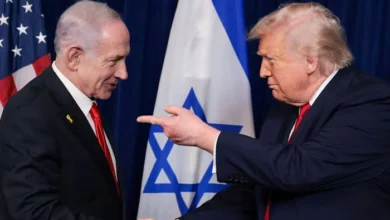
Sources recall that during Field Marshal General Syed Asim Munir’s meeting with President Trump at the White House last year, tensions with Iran were also high. At the time, there were strong fears that Israel, with US backing, could push for regime change in Tehran. However, the crisis eased after Iran carried out limited strikes on a US base in Qatar, and the situation did not escalate further. Some diplomatic sources believe Pakistan’s advice to avoid military action played a role in preventing a wider conflict.
Today, Pakistan’s position remains unchanged. Former ambassador to Iran Asif Durrani said any political change in Iran, whether driven internally or imposed from outside, would directly affect Pakistan. He noted that Pakistan has previously helped reduce tensions between Iran and the West and continues to quietly urge restraint while managing its own security concerns.
Balochistan remains one of Islamabad’s biggest worries. Iran’s Sistan-Baluchestan province shares deep ethnic, tribal and cultural ties with Pakistan’s Baloch areas. Experts warn that instability on the Iranian side could give militant groups new space to operate, undoing years of counterterrorism efforts made by Pakistan.
Former foreign secretary Johar Saleem said earlier conflicts, including tensions between Iran and Israel, had already weakened Tehran politically. He believes Iran is now facing a serious internal crisis and that any form of foreign intervention would only make matters worse. According to him, military strikes, cyber operations or economic pressure could further destabilise the country.
Another major concern for Pakistan is refugees. Already hosting millions of Afghan refugees, Pakistan may struggle to cope with a new influx if Iran’s situation collapses. Such a development would put immense pressure on border management, cities and social services, at a time when Pakistan is already dealing with economic stress and IMF programmes.
The economic impact would also be heavy. Regional instability could disrupt trade, energy supplies and remittances from the Gulf, all of which are vital for Pakistan’s economy. A forced regime change in Iran could also deepen divisions across the Middle East and draw in major powers such as China, Russia and Turkey, further complicating the regional landscape.
Despite differences with Tehran on various issues, Pakistan believes Iran’s stability is essential. Analysts say Islamabad’s approach is based on realism rather than ideology, focusing on dialogue and peaceful solutions instead of risky military adventures.
As protests continue in Iran and international pressure grows, Pakistan is expected to keep advising restraint behind the scenes. Officials stress that preserving Iran’s sovereignty and territorial integrity is not just in Tehran’s interest, but also crucial for Pakistan’s security, economy and long-term regional stability.