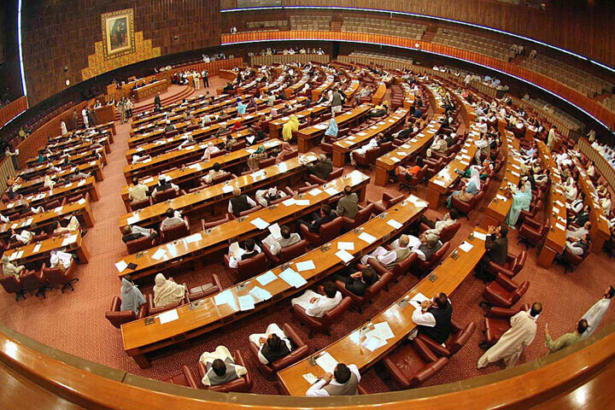

Serious accountability questions surrounded the Ministry of Information and Broadcasting during the National Assembly’s question hour as lawmakers flagged unexplained appointments, undisclosed advertising expenditures, and opaque media funding while multiple written replies from the ministry were officially marked as “not received.” The development put the spotlight on the government’s media governance record, even as the minister defended press freedom and journalist safety in a separate response.
During the sitting, several starred questions directed at the Ministry of Information and Broadcasting remained unanswered on record, triggering concern among members over transparency and parliamentary oversight. Lawmakers sought details on alleged irregular appointments at the Associated Press of Pakistan Corporation, including whether hiring since 2023 was publicly advertised, approved by the Finance Division, compliant with constitutional quotas, or examined in light of audit objections pointing to over aged appointments and backdated payments. The absence of an official reply meant no clarification was provided on whether these practices caused a financial burden on the national exchequer.
Further pressure came over government spending on advertisements. Members asked for a detailed breakup of advertising expenditures on television channels, print, electronic, and social media, including the rationale for such campaigns and the names of beneficiaries. Another question sought a comprehensive account of media funding disbursed to individual outlets, platforms, and influencers, along with audit findings and safeguards to ensure fairness and accountability. These queries, too, were recorded as unanswered, intensifying criticism that billions spent on government publicity and media engagement remain shielded from parliamentary scrutiny.
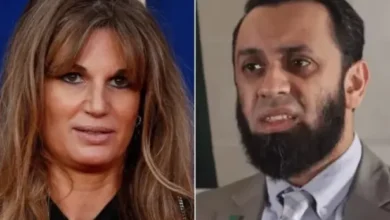
Amid the silence on spending and appointments, the Minister for Information and Broadcasting Attaullah Tarar did respond to a separate question on journalist safety raised by Dr. Sharmila Faruqui, outlining measures taken by the government to address threats, intimidation, and censorship concerns highlighted by the International Federation of Journalists. The minister informed the House that an independent Commission for Protection of Journalists and Media Professionals has been constituted to investigate complaints of threats, arrests, and torture of journalists.
He stated that existing media laws do not provide for pre-censorship and emphasized that editorial oversight rests with licensees under the Code of Conduct. According to the minister, additional steps include the formation of a Ministerial Media Security Committee, security audits of media houses, installation of panic alert buttons in press clubs and newsrooms, and training programs focused on digital safety, fake news, and emerging threats. He also cited a health insurance scheme with a Rs. 1 billion allocation and Rs. 20 million set aside for press clubs and deserving journalists.
Despite these assurances, opposition members pointed out the contrast between the detailed reply on journalist protection and the absence of answers on core financial and administrative issues. Questions regarding audits of media disbursements, criteria for fund allocation, appointments across ministry-linked bodies, and the performance of the Information Literacy Programme also remained unanswered on the floor of the House.
The question hour exposed a growing disconnect between policy claims and parliamentary accountability, with members warning that failure to respond on record undermines transparency and weakens legislative oversight.