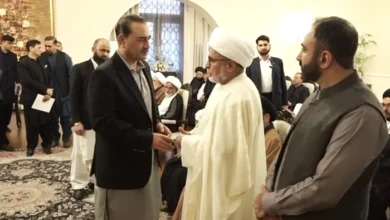


On the appeal of the National Peace Message Committee, ‘Youm-e-Paigham-e-Pakistan’ was observed across the country, with religious scholars from all schools of thought delivering a unified message against extremism, terrorism and sectarian violence, reaffirming their support for the state, society and the armed forces of Pakistan.
From Karachi to Khyber, prominent Ulema, Mashaikh, Imams, Khateebs, Zakireen and religious preachers addressed Friday congregations, urging the public to understand and uphold the Paigham-e-Pakistan consensus Fatwa (Islamic decree) and national narrative. They unanimously declared that Islam has no connection with terrorism, and that those who perpetrate violence in the name of religion are rebels against Islam, deviants (Khawarij), and deserving of divine punishment.
Citing the Quran and Sunnah, scholars emphasized that Pakistan is an Islamic state, and that attacks against its institutions, armed forces, religious scholars, citizens – Muslim and non-Muslim alike – are strictly Haram (forbidden). Such acts, they said, amount to open defiance of the commands of Allah and His Messenger (Peace Be Upon Him).
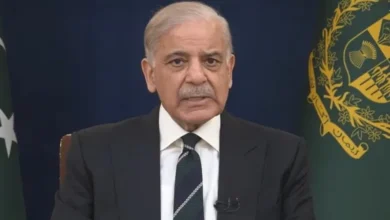
The scholars reiterated that they stood with the state, the people, and the armed forces in the past, continue to stand with them today, and will do so in the future in the fight against extremist and terrorist elements. They also assured full cooperation with Prime Minister Mian Muhammad Shehbaz Sharif and Chief of Army Staff Field Marshal Syed Asim Munir for ensuring peace, stability and security in the country.
At the same time, the religious leadership stressed that while they support the state and its institutions in all matters of national interest, they would not hesitate to raise their voice for truth wherever any un-Islamic practice is observed, in accordance with the principle of Amr bil Maroof wa Nahi anil Munkar.
These views were expressed by leading scholars including Hafiz Muhammad Tahir Mahmood Ashrafi, Mufti Abdul Rahim, Pir Naqeeb-ur-Rehman, Allama Arif Wahidi, Allama Syed Ziaullah Shah Bukhari, Mufti Yousaf, Allama Muhammad Hussain Akbar, Maulana Zahid Mansoor, Maulana Adil Attari, Dr Pir Asif Mir, Mufti Kareem Khan, Engineer Usman, Maulana Muhammad Rafiq Jami, Maulana Noman Hashir, Maulana Asad Zakariya Qasmi, Maulana Muhammad Shafi Qasmi, Maulana Asadullah Farooq, Maulana Muhammad Ashfaq Pitafi, Maulana Abu Bakr Hameed Sabri, Maulana Tahir Aqeel Awan, Maulana Aziz Akbar Qasmi, Maulana Haq Nawaz Khalid, Maulana Ubaidullah Gormani, Allama Tahir-ul-Hassan, Maulana Hanif Usmani, Maulana Muhammad Asghar Khosa, Maulana Anwar-ul-Haq Mujahid, Maulana Abdul Malik Asif, Maulana Aslam Siddiqui and Maulana Abdul Hakeem Athar, among others.
The scholars noted that Pakistan has faced severe ideological and security challenges over recent decades, with extremism, terrorism and sectarianism emerging as the most serious threats under the misuse of religion. Against this backdrop, Paigham-e-Pakistan emerged as a comprehensive, scholarly and state-backed national narrative, endorsed unanimously by leading Ulema of Deobandi, Barelvi, Ahl-e-Hadith, Shia and other schools of thought.
They emphasized that Paigham-e-Pakistan is not merely a declaration but a foundational intellectual document that categorically rejects violence, rebellion and religious exploitation in the light of Islamic teachings, the Constitution of Pakistan and the principles of state sovereignty. The consensus Fatwa affirms that any form of armed violence in the name of religion within Pakistan is unconstitutional and religiously forbidden.
The religious leaders further stressed that Islam places supreme importance on the sanctity of human life and that no individual or group has any religious justification to take up arms against the state. They reaffirmed that all powers related to legislation, declaration of Jihad and collective order rest solely with the state, and that any unilateral call for Jihad or armed struggle constitutes open rebellion.
Calling for unity, the scholars warned that takfir (excommunication), hate speech and sectarian prejudice are lethal poisons for the unity of the Muslim Ummah. They urged the promotion of mutual respect, dialogue and tolerance among all schools of thought to ensure lasting peace and harmony in Pakistan.