
According to Iranian officials, 3,117 people were killed in the protests that started in late December. However, human rights organizations say that the number is likely to be much higher since the flow of information has been minimal.
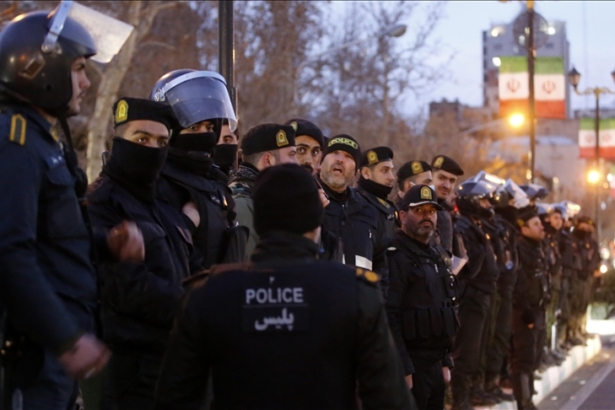
What began as a reaction to economic grievances mushroomed very quickly into a full-blown uprising against Iran’s Islamic government, which has ruled the country since the Iranian Revolution in 1979. The protests reached a crescendo around January 8 before initially dying down as a general internet blackout was put in place by the government.
According to Iran’s state television network, the veterans and martyrs foundation reported that 2,427 people, some of them security forces, were declared “martyrs” as defined under Islam, while the rest, 690, were “terrorists, rioters, and attackers of military bases,” as stated by Ali Akbar Pourjamshidian, the secretary of Iran’s National Security Council, which clearly showed that the number of martyrs was a result of the “restrained and tolerant” stance of the security forces.
However, human rights organizations are contesting the number of deaths released by the Iranian government. Mahmood Amiry-Moghaddam, leader of an Iranian human rights organization in Norway named Iran Human Rights (IHR), pegged the number of possible lives lost at 25,000. This is because “there is a definite tendency to underestimate state violence” and “protesters were fired at by live ammunition and heavy machine guns.”
Amnesty International and other rights group sources reported that security forces shot from rooftops, including shots to the eyes of protesters. Hengaw, an organization founded in Norway, verified that 42 women were among fatalities.
In Tehran, the government showcased burned buses to emphasize the violence. Then, the reactions of former Persian royalty began, with Crown Prince Reza Pahlavi calling for nightly demonstrations, and his mother, Farah Pahlavi, stating there was “no turning back” in terms of the wave of demonstrations.
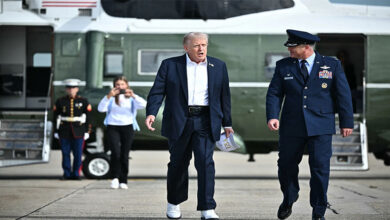
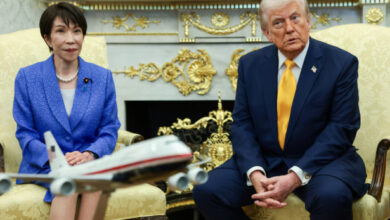
US officials, including US President Donald Trump, have not ruled out military action in reaction to the crackdown. Iranian General Abolfazl Shekarchi warned that if Iran were attacked in relation to Supreme Leader Ayatollah Ali Khamenei, a reprisal could be expected.
Though difficult to assess given the internet blackout, the ongoing protests have highlighted the existing economic and political tensions within Iran.