
KARACHI: The World Bank has cautioned that Pakistan faces heightened economic risks as regional conflicts, climate shocks and global financial pressures threaten recovery across the Middle East, North Africa, Afghanistan and Pakistan (MENAAP) region. In its Global Economic Prospects, January 2026 report, the Bank identified Pakistan as one of the most vulnerable economies due to its exposure to climate disasters and fragile security conditions.
The report noted that while emerging markets showed resilience in 2025, the outlook remains uncertain. For the MENAAP region, risks include renewed armed conflicts, geopolitical tensions, extreme weather, volatile commodity prices and tighter financial conditions that could restrict capital flows.
Pakistan’s challenges are particularly acute. Repeated floods, heatwaves and weather disruptions have damaged agriculture, infrastructure and public finances. The World Bank warned that climate-related disasters are becoming more frequent and severe, raising the likelihood of inflationary pressures, fiscal stress and growth setbacks.
Regional instability also weighs heavily. Although Pakistan is not formally classified as a conflict economy, spillovers from Afghanistan continue to pose risks through refugee inflows, trade disruptions and increased security spending. These pressures add to Pakistan’s already strained fiscal position.
The report highlighted that geopolitical tensions could undermine investor confidence and disrupt trade routes at a time when Pakistan is attempting to stabilise its economy after years of balance-of-payments stress, high inflation and IMF-backed fiscal adjustments.
Climate risks remain central. The Bank stressed that floods and extreme weather can derail fragile recoveries by destroying crops, damaging infrastructure and forcing governments to divert resources to emergency relief. Pakistan’s recent floods have left lasting scars on rural livelihoods, food prices and debt dynamics.
Financial conditions also pose a threat. Although global markets eased in late 2025, the Bank warned that sentiment could shift quickly. Rising bond yields, equity market corrections or renewed inflation could tighten financing for emerging economies. For Pakistan, which depends heavily on external financing, such a reversal could reignite balance-of-payments pressures.
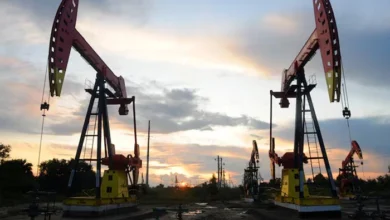
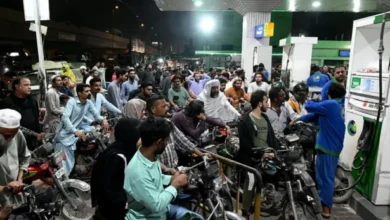
Commodity price volatility adds another layer of risk. While lower oil prices may temporarily ease inflation and import bills, sudden swings in food and energy costs can worsen inflation expectations and social pressures, particularly in vulnerable populations.
Despite these challenges, the World Bank emphasised that strong policy choices can help mitigate risks. It urged Pakistan to improve revenue mobilisation, enhance spending efficiency and strengthen institutions to better manage climate and disaster-related shocks.
The report also called for greater international support, stressing that countries like Pakistan need coordinated assistance to build climate resilience, strengthen disaster preparedness and ensure debt sustainability. Without such measures, the human and economic costs of future shocks could be severe.