
Serious concerns over shrinking press freedom, alleged pressure on one of the country’s leading and most credible newspapers, and the near-paralysis of the Press Council of Pakistan dominated a heated parliamentary review, exposing deep structural, financial, and governance failures within the state’s media oversight framework.
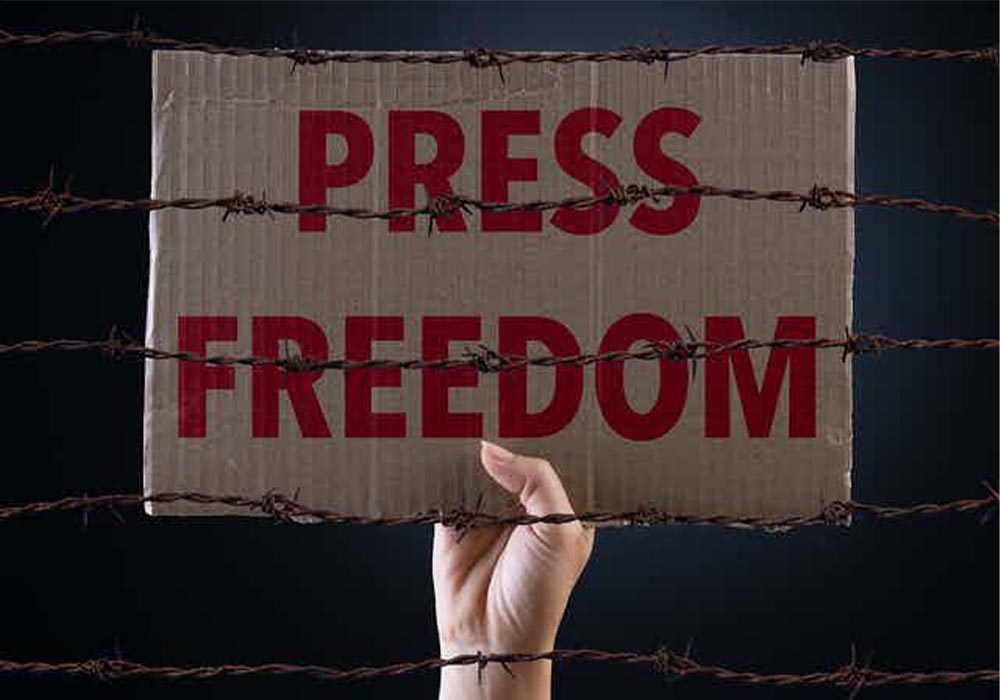
At the heart of the debate was the repeated targeting of a prominent national newspaper, which lawmakers described as a dangerous signal for independent journalism. Committee members warned that sustained pressure through complaints, regulatory notices, withdrawal of government advertisements, and indirect economic constraints was narrowing the space for dissenting voices.
They cautioned that singling out a major publication today could set a precedent for wider suppression across the media landscape tomorrow. Members stressed that factual reporting and opinion writing must be treated distinctly, noting that disagreement with editorial viewpoints cannot justify regulatory action.
Several lawmakers recalled past eras of censorship, warning that attempts to silence uncomfortable reporting only deepen mistrust between the state, the media, and the public. They argued that if reporting is inaccurate, the appropriate response is rebuttal, not coercion or intimidation.
Alongside concerns over press freedom, The Chairman of Press Council of Pakistan M Arshad khan Jadoon acknowledged severe financial distress that has left the statutory body struggling to function. Officials disclosed that prolonged non payment of rent resulted in repeated lockouts of the council’s offices, forcing dozens of employees to remain outside the premises and compelling the chairman to seek court intervention to prevent eviction.
Lawmakers described the situation as unprecedented and humiliating for an institution mandated to uphold media ethics nationwide. The committee expressed alarm over unpaid liabilities, uncertainty around staff salaries, absence of promotions, lack of medical coverage, and the absence of a viable financial sustainability plan.
Questions regarding recent hiring, vacant posts, salary packages, and service rules triggered visible frustration, with members accusing officials of evasive answers and weak internal accountability. Operational weaknesses were also laid bare.
The council admitted it lacks modern digital tools, effective monitoring systems, and adequate technological infrastructure to regulate media content in an era dominated by online platforms and social media. Officials conceded that their digital outreach remains minimal, limiting public engagement and undermining confidence in the council’s oversight capacity.
Despite these shortcomings, the council defended its record, stating that it oversees more than fifteen hundred registered newspapers and has processed hundreds of complaints, including issuing dozens of notices related to alleged ethical violations. However, lawmakers questioned whether a regulator unable to secure its own premises and finances could credibly enforce ethical standards across the media sector.
The committee warned that weakening the media regulator through financial neglect or selective enforcement risks transforming an ethics body into a tool of control rather than accountability. Members urged immediate financial stabilization, technological upgrades, and institutional reforms to restore credibility and independence.
Concluding the session, lawmakers emphasized that while freedom of expression carries responsibility, it cannot be curtailed through economic pressure, administrative harassment, or regulatory overreach. They stressed that protecting ethical journalism requires a strong, independent, and well resourced regulator, one that safeguards press freedom rather than constrains it.