
LONDON: The United Kingdom and the European Union are reportedly contemplating the resumption of talks on enhanced defense cooperation, according to officials on Monday, after talks on the UK’s involvement in EU security initiatives stalled last year.
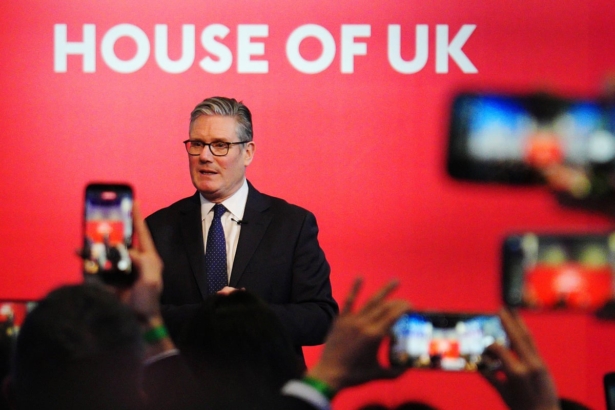
UK Prime Minister Keir Starmer expressed his commitment to enhancing cooperation with the EU, while ministers in his government are making efforts to resume talks that have been stalled since last year. “Our aim is to make sure that the UK and EU can cooperate closely on common security and defense interests,” Starmer said.
The European Commission’s Trade Commissioner, Maroš Šefčovič, is set to visit London next week to hold talks on trade, energy, and fishing. However, according to diplomatic sources, the UK is eager to take advantage of this opportunity to resume formal talks on defense cooperation as soon as possible.
The talks are centered on the Security Action for Europe (SAFE) initiative, which is a €150 billion (approximately £130 billion) EU defense budget. Talks in November 2025 broke down after the EU allegedly imposed tough financial terms for the UK’s involvement, leading to a deadlock between London and Brussels.
France has not taken ownership of the failed talks, while sources indicate that the differences between Paris and other EU countries, including Germany, have made the situation more complicated. German representatives have reportedly been in favor of the UK’s early accession to the SAFE program, as the strategic advantage of closer defense cooperation is considered essential.
Analysts believe that the new round of talks will have far-reaching implications for European security, particularly in the areas of joint military ventures, cyber defense, and intelligence sharing. The UK’s membership in the SAFE program is considered a possible link between NATO’s strategic interests and EU-led initiatives, which will improve the coordination of efforts on key security issues.
Analysts believe that although trade, energy, and fisheries are the current priority of Šefčovič’s visit to London, defense issues are likely to be the main focus of the backroom negotiations, as both parties are eager to avoid delays in the process.
A successful agreement would be a major step forward in post-Brexit UK-EU relations, as it would strengthen cooperation in the defense sphere while maintaining overall political and economic engagement. Both parties have made it clear that open communication and mutual compromise will be essential for reaching a functional solution to financial, operational, and strategic challenges.
With security challenges across Europe and the wider region, UK-EU defence cooperation remains a priority, and renewed talks are expected to set the tone for closer partnership in the coming years.