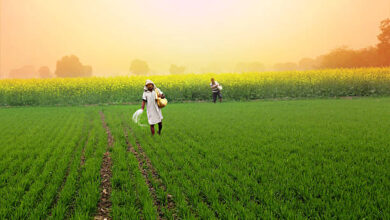

Artificial intelligence, commonly known as AI, is now playing a very important role in modern farming. Experts believe that agriculture can no longer survive on traditional methods alone, especially as climate change, water shortages, and rising food demand create new challenges for farmers.
In the past, farmers relied on experience, weather patterns, and manual observation to make decisions. Today, these methods are often not enough. AI helps farmers by using data and technology to make smarter and faster choices. With the help of AI, farmers can better understand their soil, crops, and weather conditions.
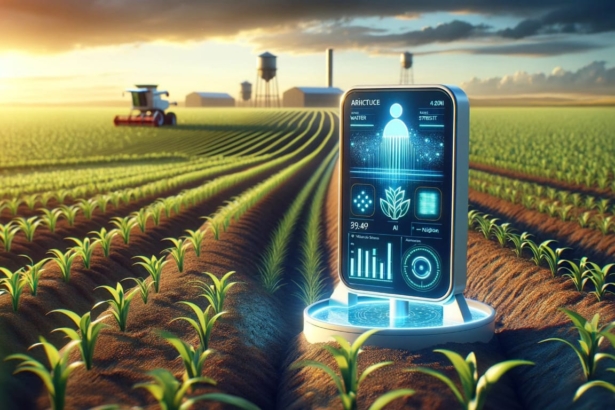
One major benefit of AI in agriculture is better crop management. AI tools can help farmers decide the right time to plant seeds, water crops, and apply fertilizers. Sensors placed in fields can measure soil moisture and temperature, while AI systems analyse this data and give useful advice. This helps farmers save water and improve crop quality.
AI is also helping farmers deal with pests and diseases. Using cameras, drones, and data analysis, AI can detect early signs of plant disease or insect attacks. Early warnings allow farmers to take action before the problem spreads, reducing crop loss and lowering costs.
Another advantage of AI is increased productivity. By using smart machines and data-based decisions, farmers can grow more food using fewer resources. This is especially important as populations grow and pressure on food systems increases.
However, many farmers still face difficulties in adopting AI. High costs, lack of internet access, and limited training are major barriers, particularly for small farmers. Experts say governments and private companies must support farmers by providing affordable technology and proper training.
Overall, AI is no longer just an option for agriculture. It is becoming a necessity. By improving efficiency, reducing waste, and helping farmers face climate challenges, AI is shaping the future of farming and supporting long-term food security.