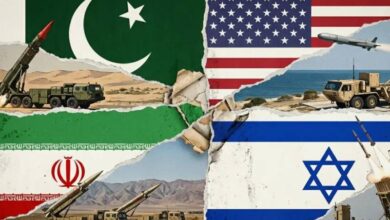

Moscow and Washington are now left without any limits on their strategic nuclear stockpiles following the expiration of the New START this week, sparking concerns about a new arms race and increased nuclear risks globally.
The New START, the final major arms control agreement between the U.S. and Russia that limited the number of deployed missiles, launchers, and strategic warheads, is now left without any extension or successor agreement in place. Experts say that strategic stability could fall apart without a mechanism to keep things in balance.
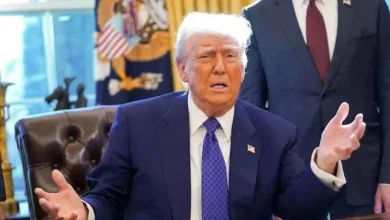
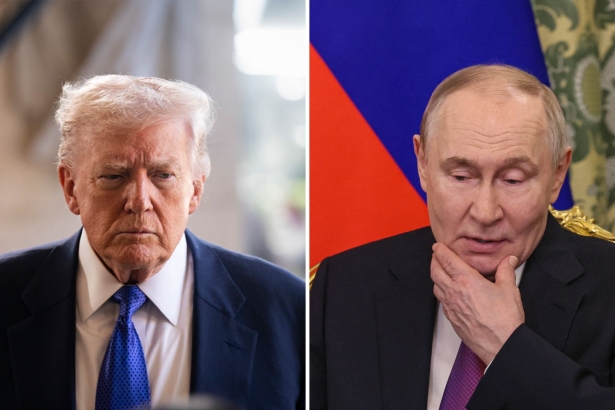
Putin had considered a one-year extension of the core elements of the New START, but Trump did not respond formally to the offer. Trump has indicated that he is working towards a comprehensive agreement that would also involve China, which has an estimated 600 nuclear warheads, compared to the 4,000 warheads of each of the two powers. Beijing has rejected any trilateral talks.
Just hours before the expiration of the treaty, Moscow described Washington’s attitude as “erroneous and regrettable.” Russia declared that the treaty is now null and void and that it is free to decide on the next course of action, warning that it is prepared to take decisive military-technical action to counter any possible threats to its national security. However, it also reiterated its willingness to engage in diplomatic efforts to stabilize the strategic situation.
The White House has not given a timeline for explaining the United States’ position on nuclear arms control, leaving it to Trump to explain on his own timeline. There was no immediate statement issued as the treaty expired.

Strategic nuclear weapons, which are the long-range weapons designed to target an adversary’s population, military, and industrial infrastructure, are different from smaller, more battlefield-oriented weapons. Without the treaty framework, each side could increase its arsenal based on worst-case assumptions about the adversary’s intentions. In a few years, Russia and the U.S. could have hundreds more warheads than the current limit of 1,550 set by the New START treaty.
“Transparency and predictability are some of the more intangible benefits of arms control and are essential to deterrence and strategic stability,” said Karim Haggag, the director of the Stockholm International Peace Research Institute. “Their loss makes nuclear relations between nuclear-armed states more crisis-prone, particularly in an era of AI and new tech that further clouds escalation.”
UN Secretary-General Antonio Guterres warned that the dissolution of decades of nuclear restraint “could not come at a worse time” and called on both countries to resume negotiations to establish “a successor framework that restores verifiable limits, reduces risks, and strengthens our common security.”