
The Islamic State group, also known as Daesh, has claimed responsibility for a devastating suicide bombing at a Shia imambargah in Islamabad that left at least 33 people martyred and 169 others injured, making it the deadliest attack in the capital in nearly two decades.
The explosion struck the Imam Bargah Qasr-e-Khadijatul Kubra in the Tarlai area on the outskirts of the city on Friday, February 6, during congregational prayers. Officials warned that the death toll may rise further as several of the injured remain in critical condition.
According to authorities, the bomber detonated an explosive vest inside the mosque when it was crowded with worshippers. Daesh later claimed the attack through its media channels, stating that the target was the prayer congregation. The claim was reported by international monitors tracking extremist communications.
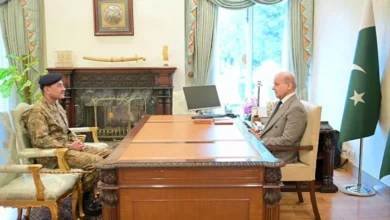
Prime Minister Shehbaz Sharif strongly condemned the attack and vowed that those responsible would be tracked down and punished. He described the incident as an assault on peace and humanity, reaffirming the government’s commitment to eliminate terrorism from the country. The blast is being described as the worst attack in Islamabad since the 2008 Marriott Hotel bombing, which killed dozens.
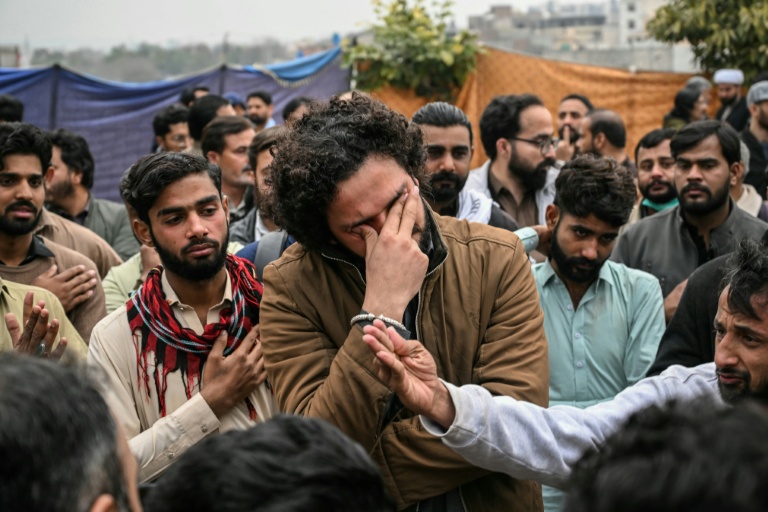
Scenes at hospitals were chaotic as victims were rushed in from the blast site. Journalists at the Pakistan Institute of Medical Sciences reported seeing injured men, women, and children brought in on stretchers and private vehicles. Many victims had blood-soaked clothes, and emergency staff worked continuously to treat the wounded.
Deputy Prime Minister Ishaq Dar called the bombing a “heinous crime against humanity” and said it violated the core teachings of Islam. He stressed that Pakistan stands united against terrorism in all its forms. The attack also drew condemnation from the international community, with UN Secretary-General Antonio Guterres stating that attacks on civilians and places of worship are completely unacceptable.
The incident comes amid growing security challenges for Pakistan, as militant violence has increased in regions bordering Afghanistan. Pakistani authorities have repeatedly stated that extremist groups operating in Balochistan and Khyber Pakhtunkhwa use sanctuaries across the border to plan attacks. Afghanistan’s Taliban government has denied these allegations, though tensions between the two countries have continued to rise.
In recent weeks, Pakistan has witnessed a surge in militant violence, particularly in Balochistan, where deadly attacks on civilians and security forces have triggered large-scale counter-terrorism operations. Officials say the latest attack in Islamabad highlights the renewed threat posed by extremist groups and the need for heightened vigilance nationwide.