
Khyber Pakhtunkhwa (KP) Chief Minister Sohail Afridi said the province has long been treated like a “stepmother” by federal authorities. He stated that KP has often been used as a testing ground for policies that failed elsewhere. Afridi vowed not to let the province be exploited further.
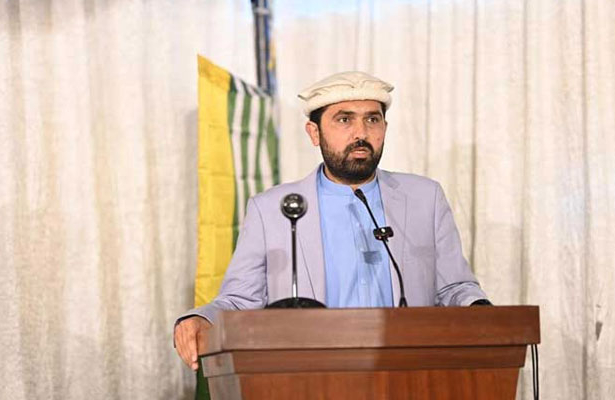
Speaking at the annual convocation of the University of Engineering and Technology, Afridi highlighted the talent present in KP. He said the province has skilled individuals in education, health, sports, and many other fields. “Talent is not the problem. The issue is opportunities,” he added.
Afridi criticized past policies that turned KP into an experimental ground, which, according to him, caused instability and insecurity. “Some think they can impose their decisions behind closed doors through threats. They are mistaken. Raising voices is better than raising funerals,” he stated. He emphasized that he would not be part of failed policies anymore.
The Chief Minister stressed that his focus is the welfare of the province, not personal gain. He said he is willing to sit with anyone for KP’s benefit, even if they dislike him personally. “I will work for my province, no matter who opposes me,” Afridi added.
Afridi identified security as KP’s top priority. He said peace is the foundation of development. He warned that interference between federal and provincial institutions has stalled economic progress in Pakistan. “Our industries are leaving the country. Our best minds are going abroad. If this continues, only clerks will remain in KP,” he said.
Afridi also raised concerns about financial discrimination against KP. He said the federal government has withheld more than PKR 4,000 billion from the province. “With your support, I will recover these funds for KP,” he pledged.
He highlighted the unemployment problem among graduates. Afridi said universities are producing students without jobs, but the provincial government is taking steps to ensure youth are employed. “We want our young people to contribute to society, not struggle for survival,” he added.