
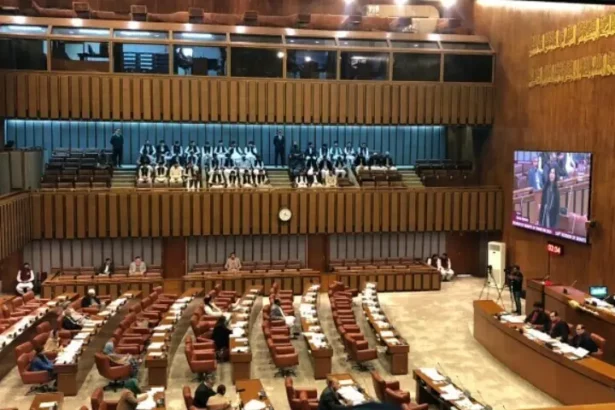

The Senate on Tuesday saw strong criticism over new regulations by the National Electric Power Regulatory Authority (Nepra) that effectively ended the net-metering system for solar consumers. The government defended the decision, saying it was necessary to protect consumers and the power network.
Nepra’s notification replaces net-metering with net-billing for all existing and future solar users. The regulator said the change addresses rising solar energy penetration and protects the costly and inefficient state-run electricity system.
PTI Senator Syed Ali Zafar spoke on the Senate floor. He called the decision a “grave breach of trust” and a “cruel act against the people.” He said citizens invested heavily in solar panels based on government promises. Many families sold assets, used savings, or took loans to install solar systems.
Senator Zafar said the policy was not just about financial benefit. It was a national cause to reduce reliance on imported fuel, lower energy costs, and promote clean energy. He said the government made a solemn promise to citizens. Withdrawing it now was “unjust” and could damage Pakistan’s investment climate.
He rejected claims that Nepra acted independently. “Nepra followed government directives,” he said. He urged the government to restore public trust by reconsidering the decision.
PPP Senator Sherry Rehman also criticized the move. She questioned why incentives were given if they could be revoked. She said the middle class and small businesses were suffering. She stressed that high energy costs were hurting manufacturing and driving industries out of the country.
Power Minister Awais Leghari defended Nepra’s regulations. He said the regulator acted within its authority. He explained the change protects the majority of electricity consumers from excessive costs.
According to the minister, 466,506 net-metering consumers currently produce around 7,000 megawatts of electricity. If old rates continued, other consumers would face a Rs200 billion burden, which could rise to Rs550 billion. The change ensures fairness for the larger population of 30 million consumers who cannot afford or install solar systems.
Leghari clarified that existing contracts are not affected. The new regulations apply only to future consumers. They will now sell electricity at the average grid rate. He emphasised that these are regulatory changes, not policy reversals, and they evolve to balance consumer interests and the sustainability of the power network.