
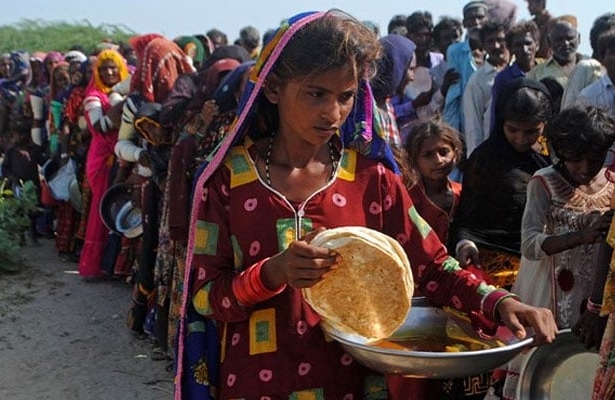

A new United Nations report has warned that 7.5 million people in Pakistan are facing acute food insecurity and malnutrition. The country has suffered from a difficult year marked by monsoon floods, prolonged drought, and a rise in militant violence.
The report projects that between December 2025 and March 2026, around 1.25 million people could reach “emergency” levels of food insecurity. This means they face large gaps in food consumption and high rates of acute malnutrition. Immediate life-saving assistance is required to prevent a humanitarian catastrophe.
Several factors have contributed to the crisis. Residual damage from last year’s floods and ongoing drought have weakened agriculture and livestock production. Local insecurity has disrupted markets and limited incomes for vulnerable communities. Seasonal challenges, such as the lean period from December to February, have further reduced opportunities for farm labor and income. Harsh winter conditions in some areas have also constrained access to food.
Rising food prices, heavy reliance on markets, and growing household debt have made it even harder for families to afford food. Wheat flour shortages have been highlighted as a major concern during this period.
Food insecurity is not uniform across the country. Balochistan carries the highest proportional burden, with 25% of the population in the assessed areas facing high or worse levels of food insecurity. Sindh has over three million people affected. Districts including Musakhel, Zhob, Kachi, Tank, and Torghar report roughly 30% of residents in severe food-insecurity phases.
The report also looks ahead to April through September 2026. It projects that 6.7 million people will remain food insecure. This represents a slight decline of around 855,000 people. Seasonal improvements, such as winter crop harvesting and Eid livestock sales, may temporarily ease the situation. However, challenges such as high staple prices, climatic risks, insecurity, and cross-border trade disruptions will continue to threaten food access.
The UN called for urgent action. It recommended scaling up access to sufficient and nutritious food through multiple methods. These include cash assistance, vouchers, and targeted food distribution. Without swift intervention, millions of people risk facing worsening malnutrition and hunger.