
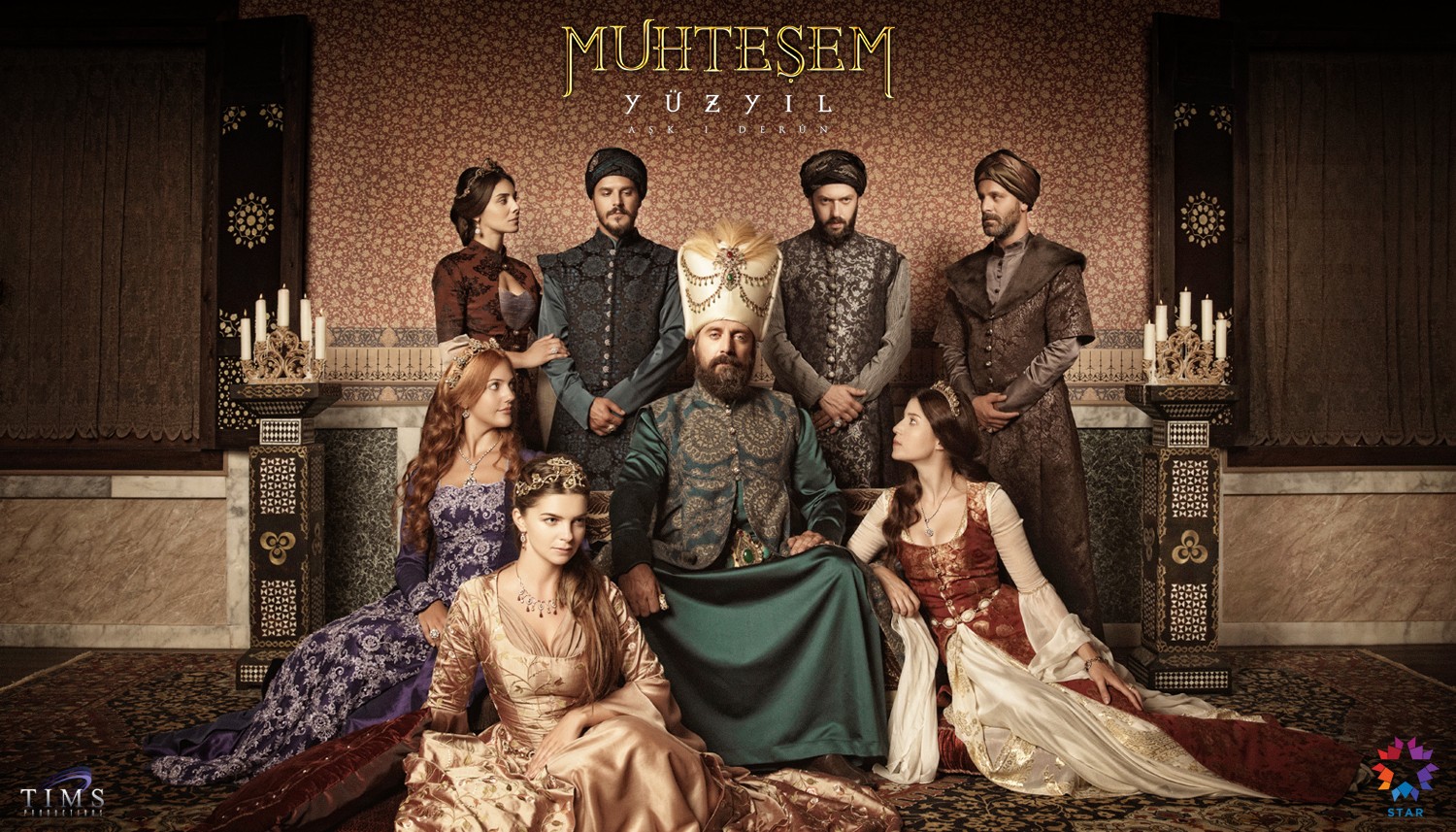

Turkey’s fast-growing television drama industry is about to receive direct government support, as Ankara plans to reward productions that help promote the country’s image, language and tourism potential in international markets already captivated by its emotional storytelling.
The Turkish government has announced financial incentives for producers of the country’s hugely popular soap-style dramas, locally known as “dizi,” provided the shows contribute to promoting Turkey and the Turkish language abroad.
“We will provide support of up to the equivalent of $100,000 in Turkish lira per episode for our TV series broadcast overseas,” Culture and Tourism Minister Mehmet Nuri Ersoy said during a press conference in Istanbul.
Turkish dramas are now available in around 170 countries, with global demand rising by 184% between 2020 and 2023, according to data from Parrot Analytics. Ersoy described the industry as a “global brand” that reaches nearly one billion people across continents from Asia and Africa to Europe and the Americas.
“Currently, Turkey has become one of the world’s top three television industries in terms of sales and export power,” he said, adding that export revenues exceeding $1 billion had pushed the sector past a major milestone.
To qualify for state support, productions will need to meet certain conditions. These include promoting Turkey and its language, targeting countries considered priority tourism markets, and demonstrating strong ratings and audience engagement. The ministry also plans to simplify bureaucratic procedures for filming and allow producers to use historical and cultural sites free of charge.
The incentives build on an industry that has already transformed Turkey into the world’s second-largest exporter of television series by hours sold globally, after the United States. What began as a regional entertainment product has gradually evolved into a powerful services export sector and an important tool of cultural soft power.
Nearly two decades ago, the series Gümüş, dubbed into Arabic as Noor and broadcast on Saudi channel MBC, attracted millions of viewers across the Middle East with its romantic storyline set in Istanbul. Its success marked a turning point, opening Arab markets to Turkish productions and triggering a surge in international demand.
Today, the industry is projected to generate about $100 million annually in overseas sales by 2030, up from roughly $60 million at present. Turkish content also remains comparatively affordable, with an hour of programming typically selling for between $20,000 and $30,000, far lower than the approximately $1 million per hour often commanded by major US or UK productions.
Trade Minister Ömer Bolat has said Turkish dramas now reach as many as 800 million viewers worldwide. “When overseas, one of the phrases I hear the most is ‘Turkish series,’” he said at a recent conference, highlighting the country’s expanding cultural presence.
The impact goes beyond television screens. At one point, media reports linked the popularity of Noor to a sharp rise in tourism from Arab countries to Turkey, with fans travelling to visit filming locations. National carrier Turkish Airlines has since tapped into that interest by offering transit passengers in Istanbul complimentary half-day tours of major studio sets.
Industry insiders say the global appeal of Turkish dramas comes from a combination of cost efficiency, fast production schedules and emotionally driven narratives. Production teams can deliver up to 140 minutes of content each week, significantly outpacing many international competitors. These dramas, often centred on romance, family conflicts and high-stakes intrigue, have proven especially popular among older female audiences in the Middle East, Latin America and increasingly parts of Asia.
With Ankara now placing financial backing behind one of its most successful cultural exports, Turkish “dizi” are poised not only to dominate international screens but also to act as ambassadors of language, heritage and national identity in living rooms from Karachi to Caracas.