

Federal health officials have warned that antimicrobial resistance in key bacterial and fungal infections could claim more than 262,000 lives in Pakistan over the next 25 years if urgent action is not taken. Health authorities say drug-resistant infections such as sepsis, ventilator-associated pneumonia, hard-to-treat urinary tract infections, and tuberculosis now rank among the country’s most serious public health threats. These infections are becoming increasingly difficult to manage, especially in hospitals and intensive care units.
To address the growing crisis, Pakistan has introduced a national Priority Pathogen List, becoming the first country in the World Health Organization’s Eastern Mediterranean Region to do so. The list aims to help hospitals, laboratories, and policymakers focus surveillance efforts, strengthen infection prevention, and promote responsible antibiotic use across the healthcare system. Several hospital-acquired bacteria have been classified as “critical” due to their high resistance and severe health impact. These include Enterobacterales, Acinetobacter baumannii, and Pseudomonas aeruginosa, which frequently cause life-threatening bloodstream infections, ventilator-associated pneumonia, and complicated urinary infections. Many of these organisms no longer respond to multiple antibiotics, raising the risk of death among critically ill patients.
Drug-resistant tuberculosis also appears in the highest-risk category, highlighting Pakistan’s continued struggle with multidrug-resistant TB. Treatment for these cases often lasts longer, costs more, and still results in high illness and death rates. Other critical pathogens include Enterococcus faecium and Staphylococcus aureus, both major causes of bloodstream and wound infections in hospitalized patients. Rising resistance in these bacteria has narrowed treatment options and complicated patient care.
Health officials warn that antimicrobial resistance already contributes to a significant number of deaths each year. Without stronger infection control, better prescribing practices, and improved diagnostic services, deaths linked to drug-resistant infections could exceed 262,000 over the next quarter century, placing enormous pressure on Pakistan’s healthcare system.
The priority pathogen list groups organisms into critical, high, and medium categories based on their resistance levels and public health impact. High-priority pathogens include Salmonella Typhi, non-typhoidal Salmonella, Shigella, and Campylobacter, which cause widespread food- and water-borne diarrhoeal diseases. Neisseria gonorrhoeae also appears in this category due to increasing resistance that threatens the treatment of sexually transmitted infections. Medium-priority pathogens include Streptococcus pneumoniae and Haemophilus influenzae, both leading causes of pneumonia and meningitis, along with Vibrio cholerae, which drives cholera outbreaks linked to unsafe water and sanitation.
The list also highlights dangerous fungal infections in healthcare settings. Candida species, including the highly drug-resistant Candida auris, increasingly cause severe bloodstream infections in intensive care units. Other fungi such as Aspergillus, Cryptococcus, and Pneumocystis jirovecii pose serious risks to patients with weakened immune systems. Mucorales fungi, responsible for mucormycosis, have also been included because of their severe impact on people with poorly controlled diabetes.
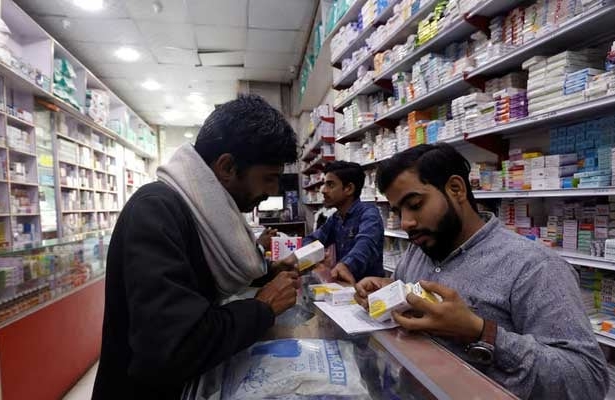
Pharmaceutical industry data show that Pakistan has a large and expanding antibiotic market, which experts link to rising resistance. Antibiotics account for a substantial share of pharmaceutical sales, reflecting heavy and often inappropriate use. Medical professionals note that doctors frequently prescribe antibiotics without proper diagnostic confirmation, while pharmacies often sell them without prescriptions.
Health authorities report that the overuse of broad-spectrum antibiotics is common in both outpatient and hospital settings. Patient expectations for quick relief often pressure clinicians to prescribe these drugs even when they are unnecessary. Studies suggest that more than 70 percent of antibiotic prescriptions fall into high-risk categories for misuse.
Experts warn that growing resistance among both common and critical pathogens could make routine medical procedures such as surgery, childbirth, and cancer treatment far more dangerous. They are calling for stricter control of antibiotic sales, tougher enforcement of prescription laws, sustained investment in laboratory diagnostics, and stronger infection-prevention measures in hospitals and clinics.
Officials say the Priority Pathogen List will support better surveillance, guide laboratory funding, and shape national antibiotic stewardship policies under Pakistan’s National Action Plan on Antimicrobial Resistance 2024–2029.