
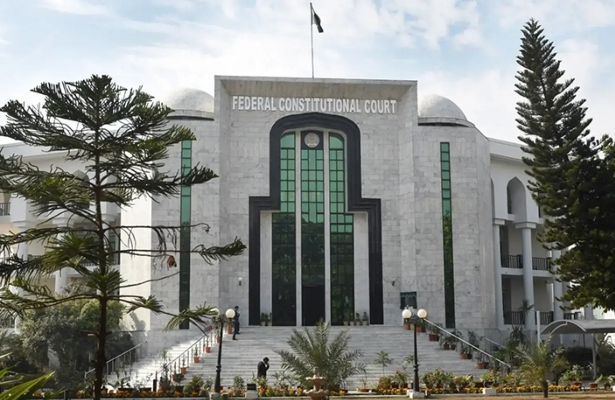

The Federal Constitutional Court of Pakistan has delivered a significant ruling on the powers of tax authorities. The court clarified that tax officials can conduct raids at any location without giving prior notice to taxpayers.
Justice Aamir Farooq issued the decision in response to an appeal regarding the legality of tax raids. The court stated that there is no requirement for a prior case to be ongoing against a taxpayer in order for a raid to take place.
Arguments claiming that raids without a pending case are illegal were dismissed. The court emphasized that Parliament has granted wide powers to tax authorities for the enforcement of tax laws. According to the judgment, the judiciary cannot add conditions or restrictions that are not present in the law.
The court noted that when the law is clear and explicit, courts are not permitted to introduce exceptions or create ambiguity. This principle, the judgment stated, applies to tax enforcement as well.
The ruling requires tax commissioners to issue written notices specifying the legal basis for a raid. Officials are authorized to seize computers, documents, accounts, and other relevant records. This ensures that all actions taken during the raids remain within the scope of the law.
The Federal Constitutional Court upheld the previous decision of the Sindh High Court. The appeal against the high court ruling was dismissed. This reinforces the authority of tax officials to act without delay when investigating potential tax violations.
Legal experts say the ruling strengthens the powers of tax authorities in Pakistan. Tax officials now have clear legal backing to carry out raids swiftly, even in the absence of ongoing legal proceedings. This move is expected to impact both individuals and businesses by encouraging greater compliance with tax laws.