

A collective religious decree issued by around 1,000 muftis affiliated with Wafaq-ul-Madaris Al-Rizvia has declared the Taliban as “Khawarij” and described the defence of Pakistan and support for the armed forces as a Farz (religious obligation) upon the entire nation.
The joint fatwa states that defending the Pakistan Army amounts to defending Pakistan and Islam.
It further asserts that backing the country’s armed forces has become a “fard” on the people of Pakistan in the current circumstances.
The decree alleges that the Taliban have developed links with India and Israel and, on that basis, categorises them as “Khawarij”, a term historically used in Islamic jurisprudence for a deviant sect that revolted against legitimate Muslim authority and was known for declaring other Muslims apostates.
In the collective statement, the signatory scholars said that attacks on Pakistan, described as the world’s only Islamic nuclear power, during the holy month of Ramadan are contrary to Sharia and constitute acts of terrorism.
The fatwa emphasises that any armed aggression against the state undermines not only national security but also Islamic principles of order and collective protection.
The religious decree further references Hadith literature, stating that one of the distinguishing signs of the Khawarij, as mentioned in prophetic traditions, is forming alliances with idolaters while engaging in bloodshed against Muslims.
By invoking this characterisation, the muftis sought to frame militant violence within a classical theological context.
The issuance of such a large-scale collective fatwa is being viewed as a significant intervention by Sunni religious leadership aligned with the Barelvi school of thought.
Observers note that religious decrees of this magnitude are often intended to shape public opinion and delegitimise militant narratives by grounding opposition to violence in Islamic jurisprudence.
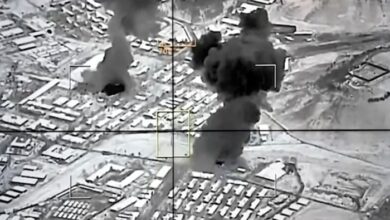
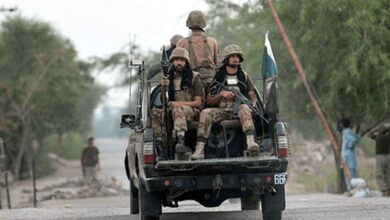
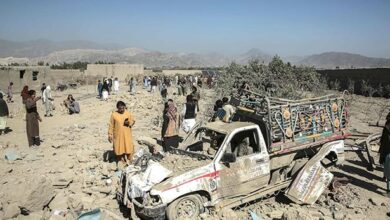
The fatwa comes at a time when Pakistan attacked Afghanistan in response to the Taliban’s terror activities from Afghan soil.
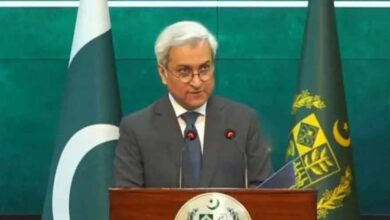
Yesterday, the Ministry of Information and Broadcasting said in a statement posted on X that its security forces had responded “immediately and effectively” to what it termed unprovoked firing by the Afghan military across multiple locations along the border in Khyber Pakhtunkhwa.
The ministry said the Afghan Taliban regime had miscalculated in opening fire and that Pakistan’s response was ongoing in the Chitral, Khyber, Mohmand, Kurram and Bajaur sectors. Early reports, it added, indicated heavy casualties on the Afghan side, with multiple posts and equipment destroyed.
“Pakistan will take all necessary measures to ensure its territorial integrity and the safety and security of its citizens,” the statement said, underscoring Islamabad’s resolve to defend its borders.