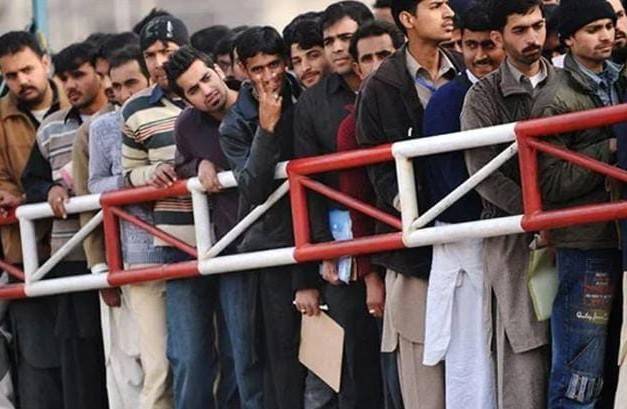

YES AND NO? It is not the government’s job to give jobs to youth, whereas unemployment hits youth. There’s an alarming rise in unemployment as limited government jobs fail to accommodate the expanding youth population. On the other hand, Pakistan’s ministers and bureaucracy lead lavish lifestyles on the nation’s tax budget in a corrupt way. Because of this factor, young people face many hurdles as they grow up, but being a teenager can be uniquely challenging. Learning how to navigate this takes time and support. Based on recent reports, youth worldwide are facing a convergence of crises ranging from severe mental health struggles and digital addiction to economic insecurity, which have left many feeling, as one report describes, “trapped in a state of negativity or self-consciousness.” While often stereotyped, this generation is facing unprecedented pressures, with roughly 1 in 4 young people suffering from anxiety or depression. Here is an analysis of the primary issues, causes, and impacts of “youth in trouble” in the modern world. However, often teenagers’ needs are overlooked. This is when little becomes a lot. Too many young people face abuse, exploitation, and isolation, and help is only offered once things have gotten out of hand. We can’t forget, teenagers are children too, and they need our help. In this blog, we explore some of the challenges they face and why it is vital they get the support they need when they need it.
According to a survey, young adults (18-25) report anxiety and depression at twice the rate of teenagers. Lack of Purpose: a study found that 56% of young people report having little to no meaning or purpose in their lives. About 30% report feeling lonely, with 69-71% expressing a lack of trust in others and anxiety about their future. While providing connectivity, social media has also fueled cyberbullying, depression, and FOMO (fear of missing out), creating a “soda activist” culture that can lead to isolation rather than community. Many young people are graduating with high levels of debt but lack the practical, critical thinking, and interpersonal skills demanded by employers. The rise of the “gig economy” and temporary contracts has led to increased financial instability, making it difficult for young people to transition into independent adulthood. Economic pressure is forcing many young people to remain in the parental home, affecting their sense of independence and self-worth. In the end, youth suffer from different criminal activities. Vulnerable teenagers are being targeted by criminal groups, both online and offline, often coerced into trafficking drugs or stealing. Despite a general decline in violent crime, youth of colour are disproportionately represented in the justice system, with Black youth in the US detained at six times the rate of their white peers. Addictions to social media, gaming, and online content (“naughty subject,” as termed in some studies) have increased, with young people neglecting sleep, food, and real-world relationships.