
Pakistan has recorded its first case of wild poliovirus in 2026 after health authorities confirmed that a four-year-old child in Sindh’s Sujawal district tested positive for the disease.
According to the National Emergency Operations Centre (NEOC) for Polio Eradication, the case emerged from Bello Union Council in Sujawal and was officially confirmed on Thursday. Health officials said the infection was detected through the country’s polio surveillance system and later verified by the Regional Reference Laboratory for Polio Eradication at the National Institute of Health in Islamabad.
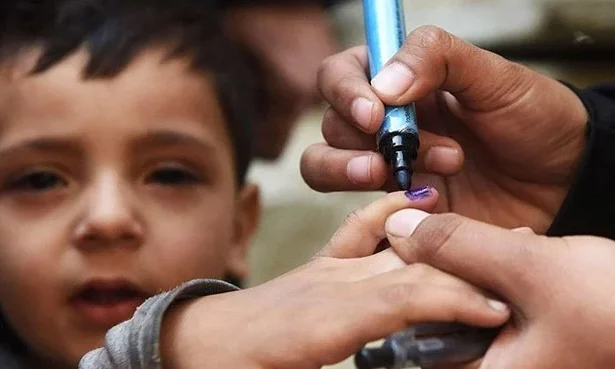
Polio is a highly contagious viral illness that primarily affects young children and can lead to permanent paralysis. There is no cure for the disease, and vaccination remains the only reliable method of protection. Health experts stress that children under the age of five must receive repeated doses of the oral polio vaccine during national immunisation campaigns, in addition to completing routine childhood vaccinations.
In a statement, the NEOC said authorities were closely monitoring the situation and assessing an appropriate response to prevent further spread of the virus. The Polio Eradication Initiative (PEI) is currently analysing data and planning targeted measures to contain transmission in the affected region.
Officials noted that Pakistan has made significant progress in its fight against polio over the past three decades. Since the launch of the national eradication effort in the 1990s, reported cases have declined by approximately 99.8 percent. In the early 1990s, the country recorded an estimated 20,000 cases annually, while 31 cases were reported in 2025.
Despite this progress, health authorities acknowledge that the virus continues to circulate in certain high-risk areas. Districts in Sindh and southern Khyber Pakhtunkhwa remain particularly vulnerable due to challenges such as population movement, vaccine refusals, and gaps in routine immunisation.
The NEOC said Pakistan has already conducted a nationwide anti-polio campaign this year, vaccinating more than 45 million children under the age of five. Another nationwide campaign is scheduled for April as part of ongoing efforts to protect children from the disease.
During 2025, the Polio Eradication Initiative carried out five nationwide immunisation drives along with several targeted campaigns. These activities included the administration of oral polio vaccines as well as injectable doses, integrated with the country’s routine immunisation programme.
Health officials emphasised that maintaining high vaccination coverage remains critical to stopping the virus from spreading. Surveillance data suggests that although polio detections have declined compared with 2024, the presence of the virus in environmental samples and certain communities highlights the need for continued vigilance.
Authorities also stressed that eradicating polio requires a coordinated effort involving not only healthcare workers but also parents, community leaders, and the media. Frontline vaccination teams continue to travel across urban centres and remote areas to reach children, but officials say parental cooperation is essential to ensure every child receives the required doses.
The NEOC urged families to ensure their children are vaccinated during every campaign to protect them from lifelong disability. The centre also called on community elders, religious scholars, and media organisations to help raise awareness, counter misinformation about vaccines, and encourage participation in immunisation drives.
Pakistan remains one of the only two countries in the world where polio is still endemic, alongside Afghanistan. Health authorities believe that with sustained vaccination campaigns, improved surveillance, and community support, the country can finally eliminate the virus.
During the most recent nationwide campaign, the government aimed to vaccinate 45.4 million children under five years of age. Officials reported that approximately 44.6 million children ultimately received the vaccine, while a small number were missed due to refusals and access challenges.