
The crisis in the Middle East continues to deepen as fresh military threats, retaliatory warnings, and diplomatic tensions unfold across several countries in the region.
Hezbollah’s Secretary-General Naim Qassem has pledged that the group will continue its fight against Israel, according to reports by Al Jazeera.
Qassem also rejected the Lebanon government’s proposal to disarm Hezbollah, insisting that the group’s weapons remain essential for resisting Israeli military operations.
Meanwhile, tensions are rising in the South Caucasus after Azerbaijan accused Iran of carrying out drone strikes on its territory. According to officials in Baku, two civilians were wounded when Iranian drones struck near an airport and close to a school.
Azerbaijan’s defence ministry warned that the attacks would not go unanswered and said preparations for retaliatory measures were underway to protect the country’s sovereignty and civilian infrastructure.
At the same time, Iran’s armed forces denied accusations that they had launched any military attack against Oman. Iran’s General Staff said reports of aggression against Oman were false and insisted that the Iranian military had not targeted the Gulf nation.
Russia has also entered the diplomatic debate. The Kremlin said Iran had not requested military support from Russia since the recent attacks began. Kremlin spokesman Dmitry Peskov confirmed that Tehran had made no such request during the ongoing conflict.
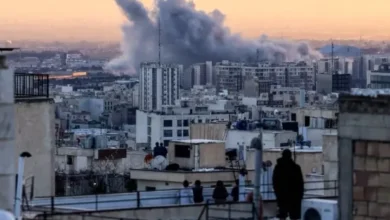
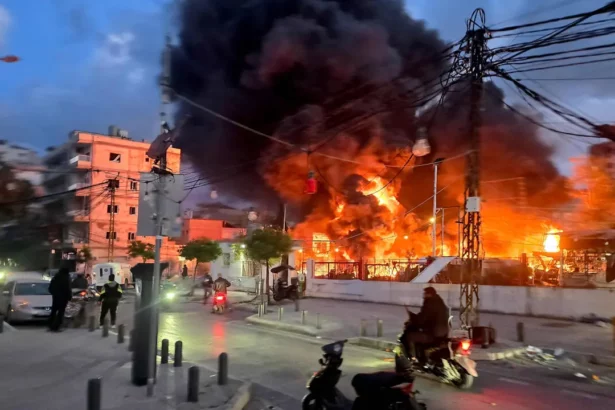
In Lebanon, Israeli military operations have intensified. According to Lebanese state media, Israeli strikes killed at least eight people in southern parts of the country. The victims reportedly included the mayor of a village in the Nabatieh region and his wife. Another strike killed two children and their parents in a nearby village. Two more people were killed when a car was hit near the eastern city of Zahle.
Russia has also accused United States and Israel of trying to widen the war. Moscow claimed the two countries were attempting to draw Arab states into a larger regional conflict by provoking Iran into retaliatory strikes across the Middle East.
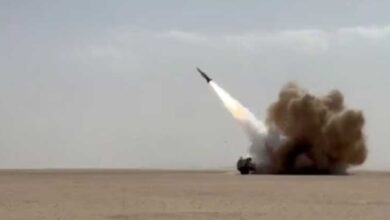
In the Gulf, Bahrain said its defence forces had intercepted dozens of Iranian weapons. The Bahrain Defence Force claimed it destroyed 75 missiles and 123 drones launched during what it described as Iranian aggression against the kingdom. Authorities urged residents to remain indoors and leave their homes only in cases of extreme necessity.
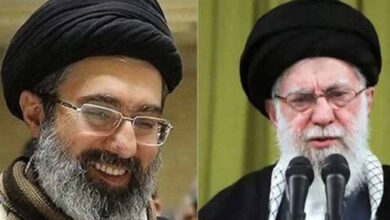
The conflict has also triggered unrest beyond the battlefield. In Karachi, protests erupted outside the United States Consulate Karachi following the assassination of Ali Khamenei in joint strikes by Israel and the United States.
Hundreds of demonstrators gathered outside the consulate compound on March 1. The protest turned violent when crowds attempted to storm the diplomatic mission. Gunfire broke out during the chaos, leaving at least 10 people dead and dozens injured.
US officials later confirmed that United States Marine Corps personnel fired shots during the incident, but said it remained unclear whether their rounds caused casualties.