
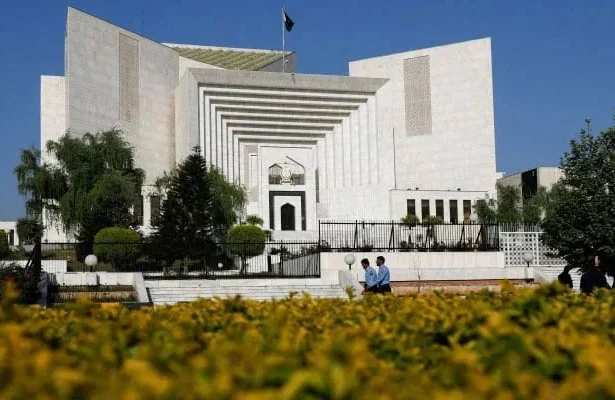

Supreme court refuses to merge two criminal trials and sets important guidelines to ensure dignity and protection of witnesses during court proceedings.
The Supreme Court of Pakistan has issued a detailed written judgment in the high-profile assault and harassment case involving medical student Khadija Ghafoor in Faisalabad, clarifying key legal points and laying down important guidelines for trial courts across the country.
The case revolves around allegations of sexual assault, physical violence, and the circulation of an objectionable video involving the medical student. The victim had earlier registered two separate cases, one related to the alleged assault and violence, and another regarding the alleged viral video. In the latest development, the Supreme Court rejected a request filed by the accused seeking to merge both trials into a single proceeding.
According to the court, the two cases involve separate criminal offences and therefore cannot automatically be treated as a single trial. The court explained that both matters were investigated by different investigative bodies, and conducting separate trials is legally valid and appropriate under the law. The written judgment was issued by Justice Salahuddin Panhwar, who stated that merging criminal cases is not a mandatory legal requirement. Instead, the authority to combine cases lies with the trial court and depends on its judicial discretion.
The judgment clarified that the trial court may decide whether cases should be heard together based on the facts and circumstances of each case, but the law does not make it compulsory. While deciding the petition, the Supreme Court also addressed important concerns regarding the treatment of witnesses during court proceedings.
The court directed that witnesses must be provided a chair while recording their statements in court. It clearly stated that there is no legal requirement in Pakistani law that forces witnesses to remain standing during their testimony. The court observed that keeping a witness standing for long periods during testimony is not only unnecessary but also violates human dignity and the constitutional right to a fair trial.
According to the judgment, witnesses should not be subjected to physical discomfort or unnecessary pressure while giving their statements, as such practices can affect the fairness and credibility of the judicial process.
The Supreme Court also warned against the misuse of cross-examination during trials. The judgment stated that lawyers must avoid asking irrelevant or humiliating questions that are intended only to tire or embarrass witnesses. The court emphasized that the right to cross-examine a witness should be used responsibly and strictly within legal boundaries.
In addition, the Supreme Court stressed that a trial judge must remain an active and vigilant supervisor during proceedings. The judgment stated that a judge should not remain a silent observer while cross-examination is taking place. Instead, the judge must intervene whenever necessary to ensure that questioning remains relevant, respectful, and within the limits of the law.
To ensure the implementation of these directions, the court ordered the Registrar of the Supreme Court to send copies of the judgment to all high courts across Pakistan so that the guidelines can be followed by trial courts in future cases.
Legal experts say the ruling may become an important precedent for witness protection and courtroom conduct, strengthening fair trial standards in Pakistan’s judicial system.