
Iran has reportedly destroyed a key US missile defence radar system in Jordan during the early days of the ongoing conflict, dealing a major blow to regional air defence capabilities.
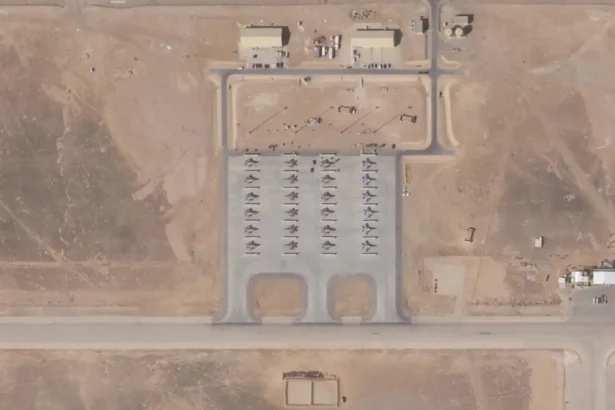
According to reports citing a US official, the radar system was located at Muwaffaq Salti Air Base in Jordan and played a crucial role in directing US missile defence operations across the Gulf region. Satellite imagery indicates that the AN/TPY-2 radar, part of the Terminal High Altitude Area Defense (THAAD) system, was struck and destroyed during the attack.
Military analysts say the system is worth nearly $300 million and its destruction could create a serious gap in high-altitude surveillance and missile tracking in the region. Experts describe the strike as one of Iran’s most significant military successes since the conflict began.
Despite the damage, defence analysts say the United States and its allies still operate other radar systems capable of providing missile detection and defence coverage, which could help reduce the impact of the loss.
Data from defence monitoring groups suggest Iran launched at least two strikes targeting Jordan in late February and early March. Initial reports claimed both attacks were intercepted, but later assessments confirmed that the radar system had been destroyed.
The THAAD system is designed to intercept ballistic missiles at very high altitudes and is considered more advanced for certain threats than the widely used Patriot missile defence system. With the radar now offline, interception efforts may rely more heavily on Patriot systems, whose advanced PAC-3 interceptor missiles are reportedly in limited supply.
The reported strike is part of what analysts believe is a broader Iranian effort to target the surveillance and sensor network that supports the Gulf’s integrated missile defence system. In earlier attacks, Iran also reportedly damaged a major early-warning radar installation in Qatar and communication facilities in Bahrain.
The growing intensity of missile and drone exchanges has placed increasing pressure on regional air defence systems. Officials and defence contractors in the United States are now pushing to accelerate the production of advanced weapons and missile interceptors to replenish stockpiles.