
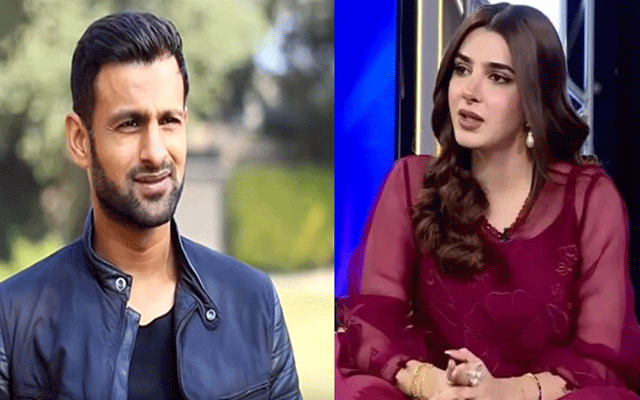

Pakistani actress and digital creator Vaneeza Sattar has publicly dismissed viral rumours claiming she is set to marry former Pakistan cricket captain Shoaib Malik, calling them baseless and fabricated.
The speculation which trended heavily on social media suggested that Malik’s name was linked romantically to Sattar, with some posts even implying a wedding announcement, but both parties have now rejected the claims.
In a candid appearance on ARY Digital’s Shan e Suhoor, Sattar addressed the controversy directly, translating to English what she described in Roman Urdu as “I haven’t even seen him once.”
She explained that when she initially saw posts about the rumoured wedding on Instagram, she assumed they were a joke.
However, after other pages began circulating the story and adding her name including using her photos without context the situation escalated beyond harmless gossip.
Sattar expressed frustration at how quickly misinformation spread and the personal impact it had on her life, emphasizing that she has never met Shoaib Malik in person and has no personal or romantic connection with him whatsoever.
She spoke about the emotional toll the rumours took on her family, noting that relatives received repeated calls from followers asking about a supposed marriage.
“I didn’t know how my name got tied to this,” she said, urging social media users to stop sharing unverified stories for mere clicks and views, warning that it can damage reputations and disrupt personal lives.
The swirl of speculation around Shoaib Malik’s personal life has been persistent in recent weeks, with multiple posts online hinting at a fourth marriage involving various actresses claims that neither Malik nor the women named have confirmed. In fact, Malik himself publicly denied marriage rumours and threatened legal action against those spreading misinformation, stating that false stories were causing distress to his family.
At present, there is no official confirmation from either Shoaib Malik or Vaneeza Sattar about any relationship, and both have clarified that the viral claims are unfounded.