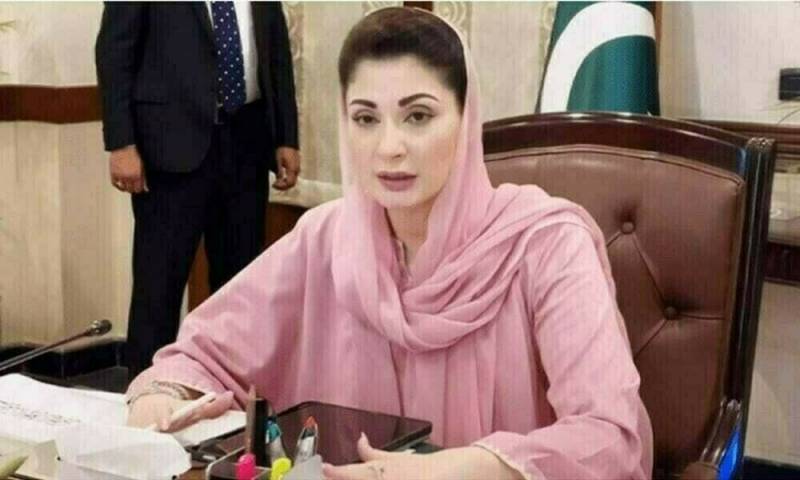

Punjab Chief Minister Maryam Nawaz Sharif has announced a series of measures to tackle the emerging economic and fuel crisis triggered by the ongoing war in Mideast, it was reported on Monday.
The decisions were taken to negotiate the potential impact of a petroleum crisis and ensure stability in the province’s administrative and economic affairs.
As part of the austerity drive, the chief minister ordered an immediate suspension of official fuel allocations for provincial ministers until the petroleum crisis subsides.
In addition, fuel and diesel allowances for government officers’ vehicles have been reduced by 50 percent with immediate effect.
Strict restrictions have also been imposed on protocol convoys.
Under the new policy, provincial ministers and senior government officials will be allowed to travel with only one essential security vehicle.
To further conserve fuel and resources, the provincial government has decided to implement a “work-from-home” policy for government offices, allowing only essential staff to attend workplaces while the rest perform duties remotely.
Authorities clarified that official work will continue uninterrupted, as the measure is aimed only at limiting the movement of additional support staff.
Educational institutions across the province — including schools, colleges and universities — will remain closed from March 10 to March 31.
Public services will continue through digital platforms, including e-business initiatives and the government’s “Maryam Ki Dastak” service delivery system.
Official meetings will also be conducted through online platforms and teleconferencing.
In another major step, the provincial government has imposed a ban on official outdoor events.
The popular cultural festival, the Horse and Cattle Show, has also been postponed.
To monitor the supply and distribution of petroleum products, the chief minister directed authorities to establish District Petroleum Monitoring Committees in every district.
The Punjab Information Technology Board (PITB) has been tasked with developing a digital track-and-trace system for petroleum products.
Representatives from district administrations, police, the Punjab Enforcement and Regulatory Authority (PERA) and other relevant departments will assist in developing and implementing the system.
The chief minister also instructed authorities to strictly monitor public transport fares across the province and take legal action against those charging excessive or illegal fares.
She further ordered close oversight of the supply and demand of essential food items to prevent shortages and price manipulation.
Private sector organizations will be issued advisories encouraging work-from-home arrangements, avoidance of unnecessary events and limiting staff attendance to essential personnel.
Appealing to citizens for cooperation, Maryam Nawaz urged the public to avoid holding outdoor functions, late-night shopping and panic buying or hoarding of essential goods in view of the evolving crisis.