
A new report by the International Crisis Group has called on friendly countries to help reduce growing tensions between Pakistan and Afghanistan, urging both sides to return to dialogue instead of escalating conflict along their shared border.
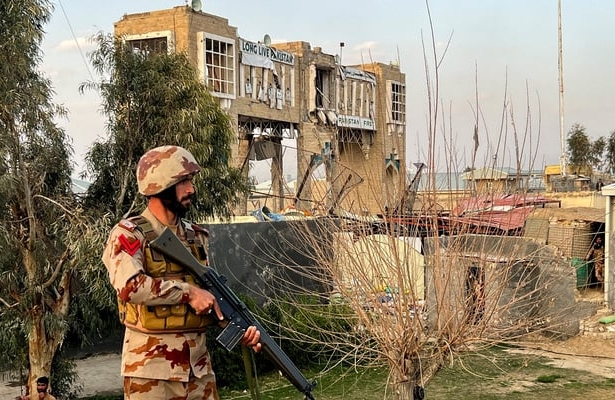
The report highlights the sharp increase in violence in Pakistan’s border regions, particularly in Khyber Pakhtunkhwa. According to the study, militant attacks carried out mainly by the Tehreek-e-Taliban Pakistan have surged in recent years, making 2025 one of the deadliest periods in more than a decade. Rising attacks have also increased tensions between Islamabad and the Afghan authorities.
Senior adviser at the ICG, Samina Ahmed, warned that the situation could worsen if both countries continue responding through force. She said Pakistan has made it clear that it could launch further strikes across the Afghan border if the Afghan Taliban fail to take action against TTP fighters operating from Afghan territory. However, she cautioned that such actions could increase the risk of a wider conflict between the two neighbouring states.
The report says the Afghan authorities must take credible steps to stop militants from using Afghan soil to launch attacks in Pakistan. At the same time, it suggests that Pakistan should also review some of its policies that have affected cross-border trade and the treatment of Afghan nationals living in the country.
ICG experts believe dialogue between Islamabad and Kabul should resume as soon as possible, with mediation from trusted countries such as Qatar, Türkiye and Saudi Arabia. These nations have maintained relations with both sides and could help bring them back to the negotiating table.
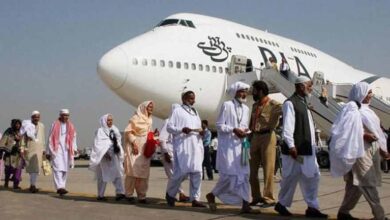
The report also stresses that the growing crisis is not only political but humanitarian. Large-scale deportations of Afghan refugees and long border closures are putting economic and social pressure on vulnerable communities. Experts recommend that Pakistan speed up visa approvals or extensions for Afghans already living in the country, especially women’s rights activists, journalists, and women seeking medical treatment or education.
In addition, international organisations and aid groups should help provide education, healthcare and economic support to Afghan refugees in Pakistan. Western governments were also urged to speed up the relocation of refugees who have already been approved for resettlement.
While Pakistan has the right to ensure that foreigners enter the country legally, the report notes that dealing with militancy requires a balanced strategy that combines security measures with diplomacy and cooperation. Some former Pakistani officials also believe that relying only on military action may not solve the deeper issues driving cross-border militancy.
The study further suggests that Pakistan should strengthen cooperation between federal authorities, provincial law enforcement, and local communities in conflict-affected areas. Improving the capacity of police forces in Khyber Pakhtunkhwa and addressing the concerns of local residents could help make counter-militancy operations more effective.
Although earlier mediation efforts by Qatar and Türkiye produced only limited results, they did help achieve a temporary ceasefire between Pakistan and Afghanistan. The report says such diplomatic channels remain important for preventing further clashes.
For now, Islamabad and Kabul remain divided over how to deal with TTP leaders believed to be based in Afghanistan. However, the ICG concludes that continued dialogue supported by friendly nations offers the best chance for long-term stability. According to the report, peaceful negotiations would serve the interests of both countries far better than attempts to resolve their disputes through military confrontation.