
JUI-F chief Maulana Fazlur Rehman avoided explicitly condemning the recent attacks on Iran during his Saturday’s media interaction in Lahore, highlighting the increasingly cautious posture of country’s religious parties as tensions in the Middle East deepen.
The measured tone reflects a wider dilemma within Pakistan’s religious and political landscape, where parties and clerical circles appear divided between sympathy for Iran and their traditional alignment with Arab states.
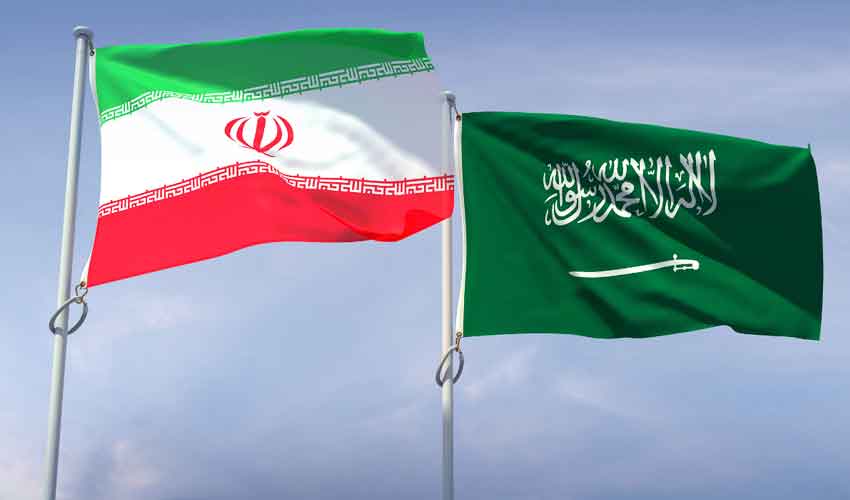
The rhetoric of several leaders from Deobandi and Ahl-e-Hadith circles has softened after Tehran’s retaliatory actions reportedly targeted positions in parts of the Arab world. The shift has forced many religious leaders to recalibrate their public stance, wary of alienating either side in an increasingly polarized regional contest.
The cautious approach marks a contrast with Fazlur Rehman’s earlier position. Following reports of the death of Iran’s Supreme Leader Ali Khamenei, the JUI-F chief had visited the Iranian Embassy in Islamabad to offer condolences, where he described the attacks by the United States and Israel on Iran as acts of aggression and condemned them.
However, his tone appeared more guarded after Iran’s actions against Arab interests, reflecting the delicate balancing act many religious leaders now face.
The evolving positions underline how Pakistan’s religious parties remain entangled in the broader geopolitical rivalry of the Middle East. While there is widespread sympathy for Palestine and strong opposition to Israeli actions in Gaza, sectarian sensitivities continue to shape the discourse within Pakistan’s religious circles.
Against this backdrop, Fazlur Rehman called on the government to convene a joint in-camera session of parliament to deliberate on Pakistan’s foreign policy and the rapidly evolving regional situation.
Talking to reporters at Jamia Rehmania on Abdul Karim Road , he said sensitive foreign policy matters should not be debated in public gatherings but discussed in an institutional forum where elected representatives can openly assess the situation and help formulate national policy.
His remarks also echoed the advice earlier given by Azam Nazir Tarar, the federal law minister, who had urged media outlets to avoid speculative debates on foreign policy.
Fazl said the Muslim world was passing through a difficult phase and called for unity among Muslim countries on issues such as Palestine and Al-Quds. At the same time, he noted that Pakistan itself was facing a complex regional environment, with tensions along its borders with India and Afghanistan, while regional powers including China and Iran were grappling with their own strategic concerns.
In this context, he said, parliament must play a central role in shaping Pakistan’s foreign policy and determining the country’s position amid rapidly shifting regional alignments.