
Global oil markets remained tense on Monday as crude prices hovered near the $100-per-barrel mark, reflecting rising uncertainty amid the ongoing conflict involving Iran and its adversaries. The war has now entered its third consecutive week, with neither side showing signs of de-escalation while diplomatic efforts intensify to secure shipping routes through the strategic Strait of Hormuz.
Oil infrastructure concerns push prices higher
Crude prices surged early in the trading session after Donald Trump said over the weekend that military forces had targeted installations on Kharg Island — a vital hub responsible for handling the majority of Iran’s oil exports.
However, Iran’s semi-official Fars News Agency later reported that the strikes caused no damage to oil facilities, easing immediate fears of supply disruptions. Despite that reassurance, traders remained cautious as tensions continued to threaten regional energy infrastructure.
Trump also warned that further strikes could extend to energy-related targets if Tehran interferes with tanker traffic through Hormuz — a waterway widely regarded as one of the world’s most crucial oil transit routes. The passage has been effectively constrained since military operations involving the United States and Israel began on February 28.
Calls for multinational naval presence
In a series of remarks and social media posts, Trump urged major economies — including China, France, Japan, South Korea and the United Kingdom — to deploy naval forces to help safeguard commercial shipping lanes. He described maritime security in Hormuz as a “shared global responsibility,” though he did not provide details of any formal coordination plan.
Japan signalled restraint on Monday, stating it was not currently considering a maritime security mission in the region, while Australia confirmed it had no plans to send naval vessels.
Diplomatic deadlock persists
Trump suggested that Tehran had shown interest in negotiations to end hostilities but said Washington would not accept talks on the existing terms. Iranian Foreign Minister Abbas Araghchi dismissed the possibility of dialogue with the US, saying past negotiations had not produced positive outcomes.
In a televised interview, Araghchi emphasised that Iran had neither sought a ceasefire nor requested new talks, though he acknowledged that several countries had approached Tehran regarding guarantees for the safe passage of their vessels through regional waters.
Markets react to prolonged conflict fears
Investor hopes for a swift resolution were dampened after Kevin Hassett indicated that defence officials believed military operations could continue for up to six weeks, despite progressing faster than initial projections.
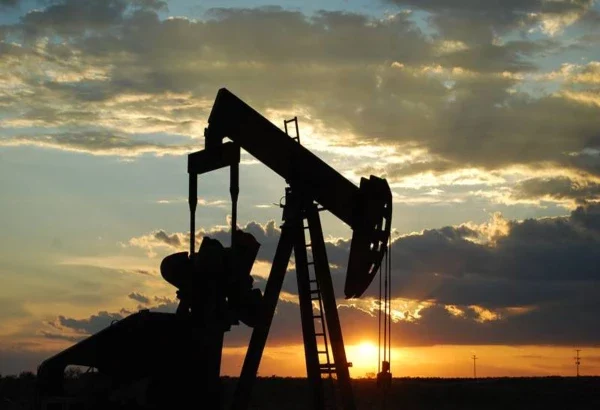
Benchmark crude contracts climbed, with Brent crude jumping roughly three percent to briefly touch $106.50 per barrel before easing, while West Texas Intermediate traded close to $99.
Stock markets across Asia mirrored the cautious mood. Major indices in Tokyo, Shanghai, Sydney and Seoul closed lower, while selective gains were seen in Hong Kong, Singapore and Taipei.
Market analysts warned that equities would likely remain sensitive to any signs of progress on reopening Hormuz. Continued military threats combined with limited diplomatic breakthroughs have kept investor confidence fragile.
Economic indicators add to uncertainty
Adding to global economic worries, fresh data showed that US fourth-quarter growth slowed more than initially estimated, while inflation figures — closely monitored by the Federal Reserve — indicated price pressures were moderating before energy costs surged again.
Attention is also turning to upcoming policy meetings at major central banks, including the Bank of England and the European Central Bank. Although interest rates are expected to remain unchanged, investors will closely watch policymakers’ assessments of how the escalating conflict could influence growth and inflation trends worldwide.