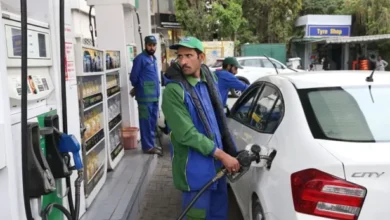

Following a sharp increase in petroleum prices, the government has decided to provide a petrol subsidy for the country’s poorest citizens.
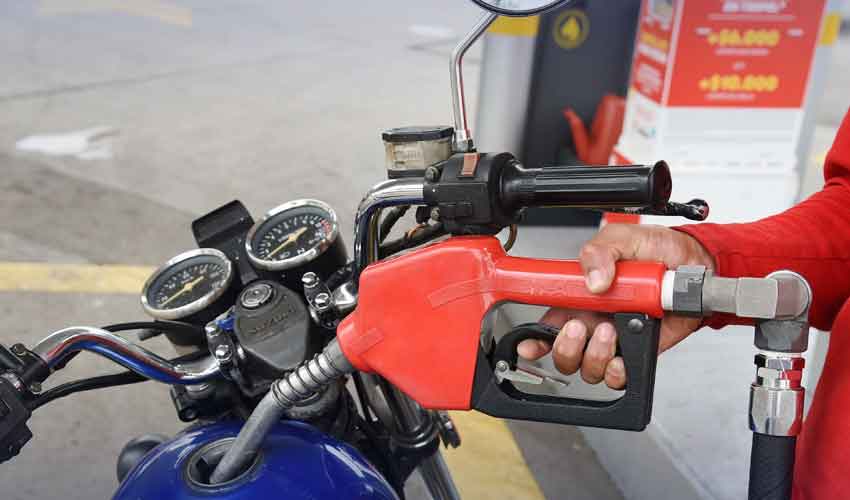
The relief plan will mainly benefit people registered under the Benazir Income Support Programme (BISP), including motorcycle and rickshaw drivers.
According to officials, the subsidy will specifically target motorcycle and rickshaw owners who rely on fuel for their daily income. Authorities say the initiative aims to protect vulnerable groups from the impact of rising petroleum prices.
Officials told the Senate Standing Committee on Petroleum that the subsidy will be financed through Rs23 billion saved under the government’s energy conservation policy.
The Petroleum Division and the Oil and Gas Regulatory Authority (OGRA) have already begun working on the plan. The subsidy will be distributed based on BISP data, ensuring that assistance reaches eligible low-income beneficiaries.
Subsidy similar to relief during COVID-19
The petroleum secretary told the committee that the proposed subsidy mechanism would be similar to the financial support provided during the COVID-19 pandemic.
According to officials, around 30 million motorcycle and rickshaw users across the country could benefit from the relief initiative. These two-wheelers and three-wheelers are widely used for transportation and livelihood, particularly among low-income groups.
The standing committee, chaired by Senator Manzoor Ahmed Kakar, reviewed the situation regarding rising petroleum prices. Committee members criticized the recent increase, saying it has placed a heavy financial burden on the public.
“There should have been no increase in petroleum prices at all,” Senator Kakar said, adding that the Rs55 increase in prices had been imposed too suddenly on the public.
Petroleum supply affected by Mideast tensions
During the briefing, Petroleum Ministry officials said petroleum supply had been affected due to rising tensions in the Middle East.
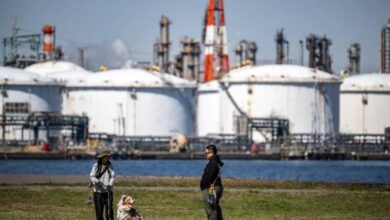
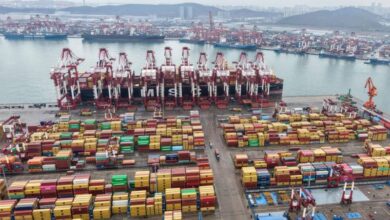
About 70% of Pakistan’s petroleum products are imported from the Middle East, and shipping disruptions have affected supply chains. To address the situation, the government has temporarily allowed the import of oil below the Euro-5 quality standard.
Current fuel reserves in Pakistan
Officials informed the committee that crude oil reserves in the country are currently sufficient for 11 days. Diesel reserves are available for 21 days, while petrol stocks can last for about 27 days.
Meanwhile, LPG reserves are sufficient for nine days, and jet fuel stocks can meet demand for around 14 days.
Some lawmakers questioned why petroleum prices were raised despite sufficient reserves. Senator Manzoor Ahmed pointed out that the price increase was implemented when Pakistan had reserves for about 28 days.
Officials responded that the government is trying to increase the use of existing reserves while closely monitoring supply conditions.
Officials also briefed the committee about sharp fluctuations in global oil prices. According to OGRA officials, diesel prices in the global market have reached $189 per barrel, while petrol prices are close to $130 per barrel.
The price of Brent crude oil has climbed to about $103 per barrel, and Dubai crude is being recorded at $146 per barrel.
Global tensions fueling oil market surge
Authorities said the global oil market is currently experiencing a significant surge due to geopolitical tensions. Concerns about Iran following US military actions have increased uncertainty in the energy market.
According to the briefing, Iran has even warned that global oil prices could reach $200 per barrel.
The committee was told that a ministerial committee formed by the prime minister is reviewing the petroleum situation on a daily basis. Officials assured lawmakers that petrol remains available across the country despite the price increase.
Two tankers carrying petrol and diesel have recently arrived to help stabilize supplies.
Pakistan exploring alternative oil sources
Lawmakers also discussed the possibility of importing oil from Russia, noting that several countries are currently purchasing Russian crude.
The petroleum secretary confirmed that Pakistan is also trying to procure oil from Russia. He added that global energy market uncertainty continues, and the government may move toward weekly petroleum price adjustments.