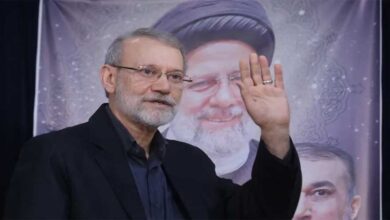
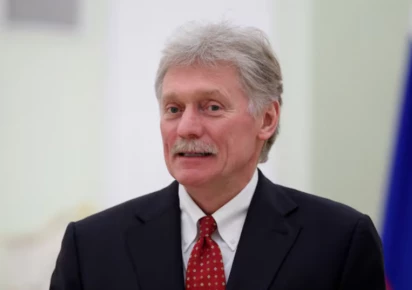

The Kremlin condemned the killing of Iran’s top leaders in recent US-Israeli strikes. Russian officials called the attacks “murder” and urged restraint in targeting sovereign nations. The condemnation follows confirmation that Ali Larijani, head of Iran’s Supreme National Security Council, was killed in Tehran.
Israeli Defence Minister Israel Katz confirmed that Iranian Intelligence Minister Esmail Khatib was also killed in a targeted operation. Katz stated that Israeli forces are authorized to strike senior Iranian officials without additional approval. Prime Minister Benjamin Netanyahu emphasized that Israel will continue pursuing Iranian leadership targets.
Iran’s Foreign Minister Abbas Araghchi said the nation’s nuclear policy is unlikely to change after Larijani’s assassination. He noted that Iran’s new supreme leader, Mojtaba Khamenei, has not publicly shared his stance on nuclear weapons or diplomatic negotiations. Araghchi urged Gulf nations to establish a new protocol for safe passage through the Strait of Hormuz, which Iran has effectively closed to the US, Israel, and allied partners.
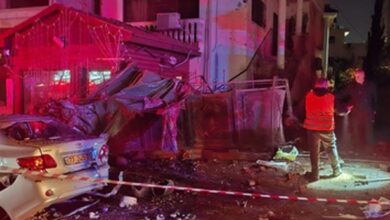
Iran retaliated by launching cluster missile attacks on Tel Aviv. Cluster warheads disperse smaller explosives over wide areas, making them difficult to intercept. The overnight strikes killed two civilians, raising Israel’s death toll from the war to at least 14. Damage was reported across residential neighborhoods and industrial areas, including in Ramat Gan near Tel Aviv.
Funerals were scheduled for Larijani and Gholamreza Soleimani, the Basij paramilitary chief also killed in Israeli attacks. Iran’s army chief warned that responses to these assassinations would be “decisive and regrettable.” Turkey’s Foreign Minister condemned the strikes as illegal political assassinations outside the laws of war.
Israel has vowed to track and target Iran’s new supreme leader, Mojtaba Khamenei. Israeli military officials emphasized that no senior Iranian official is beyond reach. Netanyahu reiterated calls for regime change, while stopping short of claiming it as an immediate goal.
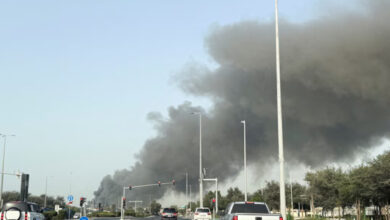
The conflict has heavily impacted the Gulf region and global energy markets. Iran has launched thousands of missile and drone attacks on US bases, oil infrastructure, ports, airports, and commercial and residential buildings, particularly in the UAE. The Strait of Hormuz, a crucial energy passage, remains effectively closed, raising global oil prices above $100 per barrel.
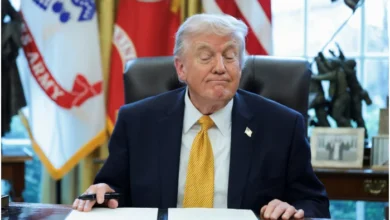
The US has responded with heavy bombardment of Iranian missile sites to reopen shipping lanes. President Donald Trump stated that the US military can act independently of allies, amid reluctance from NATO members to join escort missions. European officials stressed the need for diplomatic solutions to avoid food, energy, and economic crises.
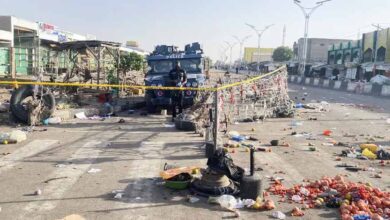
The war has also struck Lebanon. Israeli airstrikes in Beirut killed at least six people, damaged residential buildings, and displaced thousands. Lebanese authorities report that since March 2, over 900 people have died, more than a million have been displaced, and 130,000 remain in official shelters.