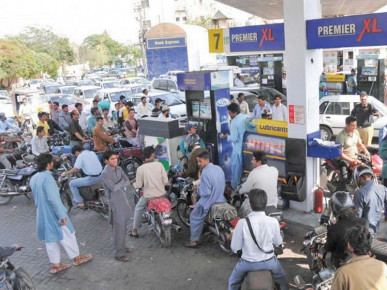

The government has decided to protect consumers from a sharp increase in petroleum prices. It will absorb a surge of up to Rs49 per litre instead of passing the burden on to the public.
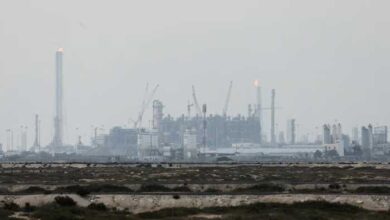
This decision comes as global oil prices rise rapidly due to tensions in the Gulf region. The increase has put significant pressure on oil-importing countries, including Pakistan.
According to estimates, the price of high-speed diesel has increased by around Rs49 per litre in the international market. Petrol prices have also gone up by nearly Rs29 per litre. Despite this, the government has chosen to keep local prices unchanged.
To manage the situation, authorities have introduced a temporary subsidy. Around Rs23 billion has been allocated to maintain current petrol and diesel prices for one week. This relief measure covers the period from March 14 to March 20.
Under this plan, the government will pay a subsidy per litre to bridge the gap between global and local prices. Oil marketing companies will receive these payments through a formal compensation system.
The subsidy will be processed by the Oil and Gas Regulatory Authority. The authority will verify claims submitted by oil companies and ensure transparency before releasing funds.
Meanwhile, global oil markets continue to show strong upward movement. Dubai crude prices have crossed $166 per barrel. Diesel and petrol prices have also recorded sharp increases. Experts warn that this trend could further strain Pakistan’s economy.
While petrol and diesel prices remain stable, other fuels have become more expensive. The government has increased the price of kerosene oil significantly, pushing it above Rs358 per litre. Light diesel oil has also seen a major jump, with prices rising above Rs302 per litre.
The petroleum levy on fuel remains unchanged. The levy on petrol continues to exceed Rs105 per litre, while diesel carries a levy of more than Rs55 per litre.
To support these subsidies, the government has approved a special financial arrangement. A “Prime Minister’s Austerity Fund” has been established to manage such expenses. More than Rs27 billion has been allocated to this fund to ensure smooth payments.