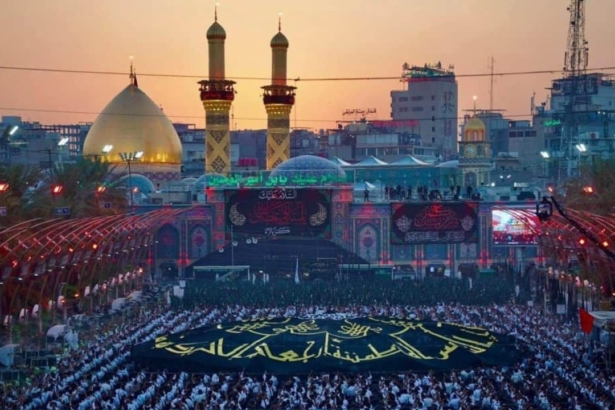

More than 450 Pakistani pilgrims remain stranded in Iraq’s holy city of Karbala, with ongoing regional conflict forcing the closure of Iraqi airspace and leaving many without basic resources or government assistance. Families back home are growing increasingly anxious as their loved ones face harsh conditions, while calls for urgent government intervention intensify.
Since the 9th of Ramazan, flights from Iraq have been suspended due to security concerns, effectively trapping hundreds of Pakistani pilgrims who were visiting the city for religious rituals. Among those stranded are women, children, and elderly citizens, many of whom are struggling to secure food, water, and medicines in the absence of proper support.
While a small number of pilgrims—around 50—have managed to return to Pakistan by obtaining Umrah visas and traveling through Saudi Arabia, most remain stranded. Others with additional funds attempted overland journeys, making their way from Iraq to Iran via Jordan, before eventually reaching Pakistan. Yet, for the majority, such options are either financially impossible or logistically unfeasible.
Zaigham Abbas, a pilgrim stuck in Karbala, painted a grim picture of the situation. “Many of us are running out of money, and it is becoming increasingly difficult to buy even basic necessities like food and medicines,” he said. Abbas also highlighted that several elderly pilgrims, already dealing with health issues, are in deteriorating condition due to the lack of medical supplies.
Frustration is also growing over what the stranded pilgrims describe as inadequate response from Pakistani diplomatic missions in Iraq. Abbas alleged that neither the embassy nor the consulate had reached out to the stranded citizens, leaving them to fend for themselves amid the worsening situation. “There has been little interest in facilitating our return,” he added.
The pilgrims are now appealing directly to the government of Pakistan to take immediate action. Their plea is clear: coordinate emergency repatriation flights or safe overland passage, provide financial and medical assistance, and ensure the safety of vulnerable citizens who have traveled abroad for spiritual reasons but now find themselves trapped in a conflict zone.
With the situation showing no signs of quick resolution, the stranded Pakistanis’ predicament highlights the urgent need for coordinated government and diplomatic intervention. Families in Pakistan remain on edge, praying for the safe return of their loved ones from Karbala, as time becomes an increasingly critical factor in ensuring their well-being.
This incident underscores the vulnerability of citizens traveling abroad during periods of regional unrest, emphasizing that timely government action can make the difference between safety and prolonged hardship.