
ISLAMABAD: The federal government has reduced the Public Sector Development Programme (PSDP) by Rs100 billion to finance fuel subsidies, shifting funds from development projects to ease pressure from rising oil prices.
Planning Minister Ahsan Iqbal confirmed that the cut represents nearly one-tenth of the total development budget approved for the current fiscal year. The National Assembly had earlier approved Rs1 trillion for development spending.
The largest reduction of Rs22.3 billion has been made in the budget of the National Highway Authority. The water sector has faced a cut of Rs12.9 billion, while provincial projects have seen a reduction of Rs10.2 billion. Allocations for education, health, railways, higher education, housing, science and technology, and other ministries have also been trimmed.
The finance ministry has asked the planning ministry to surrender Rs100 billion to the Prime Minister’s Austerity Fund, which is being used to cover subsidies on petroleum products. The move comes after the Ministry of Petroleum requested Rs71 billion to clear payments related to price differential claims through the Oil and Gas Regulatory Authority. These payments will eventually be transferred to oil marketing companies.
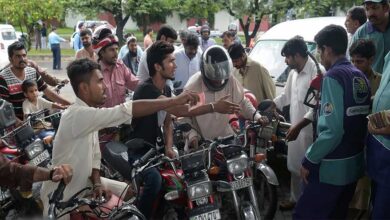
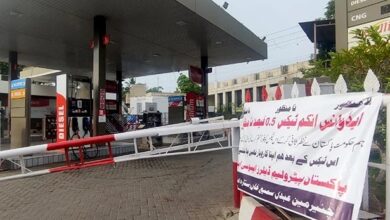
Despite announcing that diesel and petrol prices would remain unchanged, the government is still collecting petroleum levy and other charges on fuel. Officials say part of the subsidy payments has already been released from the austerity fund.
According to sources, the decision to cut development spending may increase financial pressure in the long run, as delays in projects can raise their overall cost. The planning minister said several ministries had requested additional funds during the mid-year review, but instead of increasing allocations, the finance ministry chose to reduce them.
The government had set aside a contingency amount in the budget on the advice of the International Monetary Fund to deal with unexpected events. However, officials say much of that reserve has already been used to manage revenue shortfalls.
The reductions have affected a wide range of sectors, including infrastructure, water storage, education, health, and regional development funds for Azad Kashmir, Gilgit-Baltistan, and the merged districts of Khyber-Pakhtunkhwa.
The officials say further discussions are ongoing to manage the fiscal gap while continuing negotiations with the IMF over broader economic targets.