
Federal Minister for National Food Security Rana Tanveer Hussain has reaffirmed the government’s commitment to maintaining an uninterrupted supply of fertilizers across Pakistan, as escalating tensions in the Middle East continue to disrupt global trade routes and commodity markets.
Chairing a high-level meeting of the Fertilizer Review Committee, the minister instructed relevant authorities to ensure that fertilizer distribution remains transparent, efficient, and accessible to farmers nationwide. The directive comes at a time when geopolitical instability is placing pressure on global fuel and fertilizer supplies.
Global Disruptions Raise Concerns
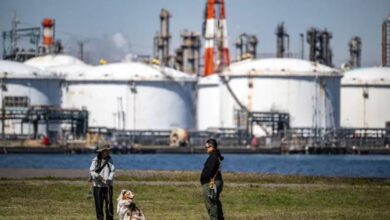
A significant portion of the world’s fertilizer production is concentrated in the Middle East, with nearly one-third of global shipments passing through the strategically vital Strait of Hormuz. Ongoing conflict in the region has disrupted maritime traffic along this corridor, particularly near Iran’s coastline, leading to supply bottlenecks and rising international prices for both energy and agricultural inputs.
Officials noted that these disruptions, which intensified after late February, have had a cascading effect on global markets, increasing costs and raising concerns about supply continuity in import-dependent countries.
Domestic Supply Remains Stable
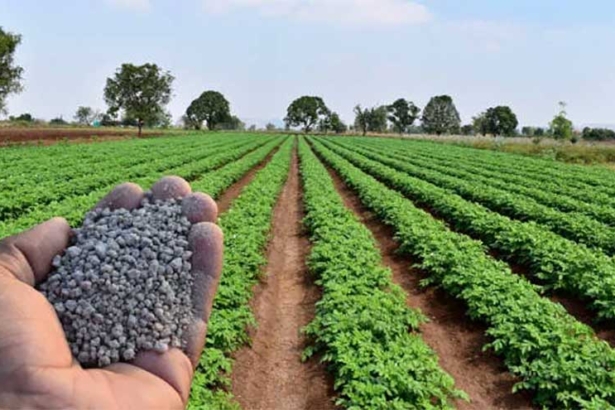
Despite global uncertainties, Pakistani authorities expressed confidence in the country’s current fertilizer reserves. The meeting reviewed supply and demand projections for key inputs, including urea and Diammonium Phosphate (DAP), and found that domestic production is expected to meet the bulk of national requirements.
Industry representatives from major firms such as Fauji Fertilizer Company, Engro Corporation, Fatima Fertilizer Company, and FMPak Limited attended the session, alongside officials from provincial governments and the National Fertilizer Development Center.
Participants were informed that Pakistan cultivates approximately 22–23 million hectares annually across the Rabi and Kharif seasons. Wheat dominates winter cropping, while rice, cotton, and sugarcane are the primary summer crops—patterns that directly influence fertilizer consumption cycles.
Annual demand for urea typically ranges between 6.5 and 7 million tons, while DAP requirements stand between 1.2 and 1.5 million tons. Officials confirmed that local production continues to cover a substantial share of this demand.
Positive Outlook for Kharif 2026
Reviewing preparations for the upcoming Kharif season, the minister expressed satisfaction with what he described as a “comfortable supply position” for both urea and DAP. Adequate stock levels are expected to support farmers during peak sowing periods.
At the same time, the government is closely monitoring international markets and facilitating imports where necessary, particularly for DAP, to prevent shortages. Efforts are also underway to strengthen logistics and improve supply chain efficiency to ensure fertilizers reach all regions without delay.
Focus on Affordability and Transparency
Rana Tanveer Hussain emphasized that maintaining affordable prices remains a top priority. He noted that domestically produced urea in Pakistan continues to be significantly cheaper than international rates, offering some relief to farmers amid global price volatility.
The minister directed all stakeholders—including manufacturers, distributors, and provincial authorities—to uphold transparency in the supply chain and prevent hoarding or profiteering. Ensuring timely delivery to farmers, he stressed, is critical for sustaining agricultural productivity and safeguarding the country’s food security.