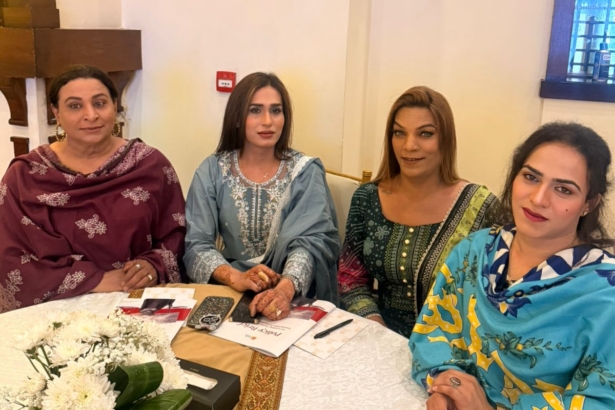

Transgender persons in Pakistan remain highly vulnerable to torture, police abuse, and systemic discrimination, a new policy brief released by Justice Project Pakistan (JPP) in collaboration with REDRESS at Emerald Hall, Faletti’s Hotel, Lahore, warns.

The report highlights persistent gaps in the enforcement of legal protections, despite progressive legislation such as the Torture and Custodial Death (Prevention & Punishment) Act 2022. Survivors often face barriers in filing complaints, accessing justice, or holding perpetrators accountable, perpetuating widespread impunity.

During the event, Sarah Belal, Executive Director of JPP, stressed that existing laws alone are insufficient. “Violence against transgender persons is not incidental; it reflects systemic failures. Legal frameworks are meaningless without enforcement and accountability,” she said, calling for concrete, enforceable reforms to safeguard transgender rights in practice.

Transgender rights activist Neeli Rana emphasised the dual challenge of legal gaps and societal exclusion. “Transgender individuals are marginalised not only by the law but also by society. Discrimination, harassment, and abuse remain pervasive, and without accountability, violations continue unchecked,” she said.

The policy brief underscores the urgent need for stronger legal enforcement, independent oversight, and survivor-centred mechanisms within the criminal justice system. It also advocates for education and sensitisation programs to combat social stigma and promote the dignity of transgender persons.

A panel discussion, “Policy Dialogue,” featured Mahnoor Chaudhary, Program Director at Khawaja Sira Society; Dr. Khurram Sohail Raja, Head of Forensic Medicine and Toxicology at Aziz Fatima Medical and Dental College; and SP Monazza Karamat, First Lady SP Headquarters Lahore. Panelists examined systemic gaps and stressed actionable reforms to ensure justice and protection for transgender communities.