
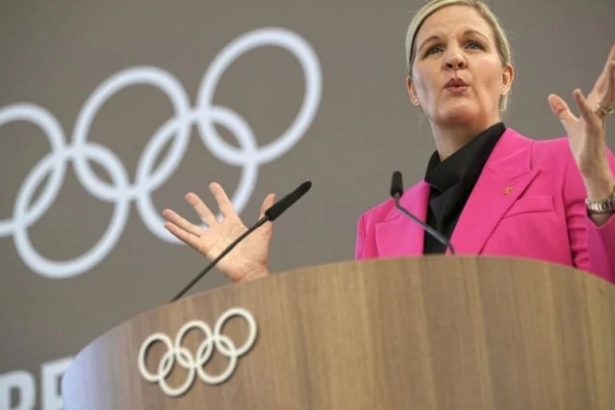

A recent decision linked to the International Olympic Committee has started a strong reaction around the world. The new rule focuses on who can take part in women’s events at the Olympics, and it has raised serious questions about fairness, rights, and inclusion in sports.
Under this decision, transgender women and some athletes with natural biological differences may no longer be allowed to compete in women’s categories. Officials say the aim is to make competitions fair for everyone. They believe that clear rules are needed so that no athlete has an unfair physical advantage over others.
To support this rule, there are plans to introduce stricter checks, including genetic testing. This would help confirm whether an athlete meets the requirements to compete in women’s events. Supporters of the decision argue that such steps are necessary to protect the integrity of sports and ensure equal chances for all competitors.
However, the decision has not been accepted quietly. Many human rights groups, activists, and experts have strongly criticized it. They believe the rule could unfairly target transgender athletes and others who may have natural differences in their bodies. According to them, sports should be inclusive and welcoming to everyone, regardless of their identity.
One of the biggest concerns is privacy. Critics say that asking athletes to go through genetic testing is too personal and could make them feel uncomfortable or exposed. In the past, similar tests created confusion and emotional stress for some athletes, and people fear that history could repeat itself.
Another concern is fairness in a different sense. While the rule aims to create equal competition, some believe it may actually exclude certain groups unfairly. They argue that not all athletes are the same, and natural differences exist in every sport. Because of this, drawing a strict line can be complicated.
On the other side, many people support the decision. They feel that women’s sports should be protected and that physical differences can sometimes create an advantage. For them, the rule is about keeping competition balanced and making sure that results are based on skill, training, and effort.
This issue has now become a global debate. Different countries, sports bodies, and public figures are sharing their opinions. Some agree with the new rule, while others strongly oppose it. The discussion has gone beyond sports and is now part of a larger conversation about equality and human rights.
What makes this situation difficult is that both sides have valid concerns. Fair competition is important in sports, but so is respect for individuals and their identities. Finding a balance between these two ideas is not easy, and there is no simple solution.