
Asian nations are scrambling to secure fuel supplies as the conflict in the Middle East disrupts critical energy flows. Indonesia’s President Prabowo Subianto visited Tokyo this week, signing long-term energy agreements and exploring barter deals to ease shortages. Officials said Jakarta may swap liquefied natural gas for liquefied petroleum gas, a vital cooking fuel, while Japan’s Inpex is discussing similar exchanges with India.
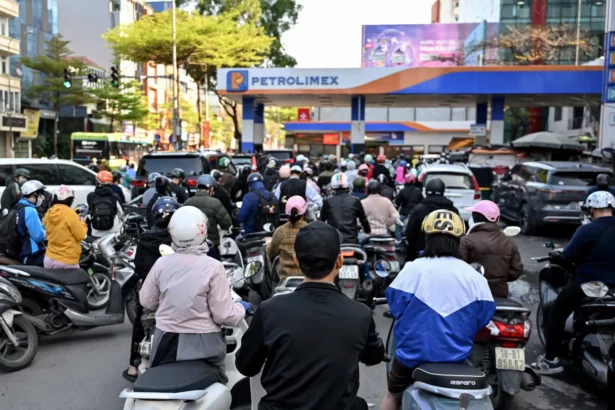
The crisis has hit poorer countries hardest. The Philippines declared a national energy emergency, Sri Lanka shortened its work week and rationed fuel, and Myanmar restricted car use to alternate days. Indonesia, Southeast Asia’s largest economy, is expected to announce curbs soon.
China’s ban on refined fuel exports has worsened shortages, particularly in Vietnam, which relies on neighbors for more than half of its jet fuel. Vietnam’s aviation regulator urged authorities to seek supplies from Brunei, India, Japan and South Korea. Japan, heavily dependent on Middle Eastern oil and gas, has moved quickly to support Southeast Asian partners.
Russia has emerged as an unexpected supplier after the United States temporarily eased sanctions. South Korea imported Russian naphtha for the first time in years, while India, Bangladesh, Thailand and Sri Lanka are negotiating oil purchases. Analysts warn that deals may be difficult to finalize before the waiver expires on April 11.
Smaller nations such as New Zealand fear being sidelined in the scramble. Prime Minister Christopher Luxon has reached out to regional leaders and European officials, while Associate Energy Minister Shane Jones said Wellington is engaging commodity traders to secure supplies. “Unless you build options, we’re too small to get noticed in a frenzied search for fuel,” Jones said.