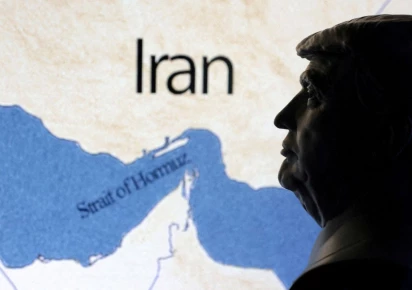

The United Arab Emirates is reportedly preparing to support US-led efforts aimed at reopening the Strait of Hormuz, potentially including military involvement, according to a Wall Street Journal report.
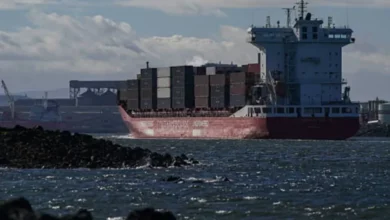
Citing Arab officials, the report says the UAE is considering backing initiatives that could involve a UN Security Council resolution authorizing force, alongside efforts to build an international coalition involving the United States and allied countries in Europe and Asia. The aim would be to secure one of the world’s most strategic maritime routes, which has been affected by ongoing regional tensions.
The UAE is also reportedly evaluating possible operational roles, including mine-clearing missions in the waterway, signaling a potential shift toward more direct participation in the evolving conflict. However, the UAE Foreign Ministry has emphasized that there is broad international agreement on the importance of maintaining freedom of navigation through the Strait of Hormuz.
Meanwhile, the broader conflict involving the United States, Israel, and Iran continues into its fifth week, with Washington suggesting that the end of the war may be approaching. US Secretary of State Marco Rubio stated that the US can “see the finish line,” although he clarified that it is not imminent.
Rubio also noted that communications between the US and Iran are ongoing, with the possibility of direct talks being discussed at some point. These remarks come as diplomatic efforts continue alongside military operations, reflecting a complex and shifting approach by Washington.
US President Donald Trump has also indicated that the United States could begin withdrawing from its military engagement within a matter of weeks. At the same time, he has raised questions about the future of NATO, suggesting that the alliance may need to be reassessed in light of recent developments.
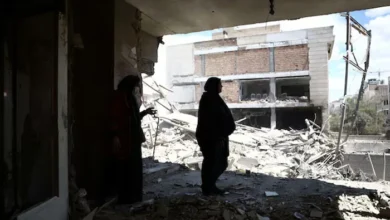
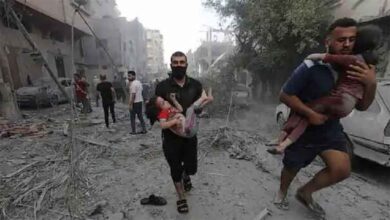
The conflict began in late February with joint US-Israeli strikes on Iran, prompting retaliatory actions from Tehran targeting Israeli and Gulf-related interests. The escalation has resulted in significant casualties, displacement, and economic disruption, including rising oil prices and volatility in global markets.
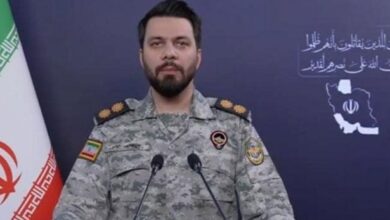
Iranian officials maintain that their position is defensive, stating that they have received messages through mediators but remain focused on responding to what they describe as external aggression. Tehran has also reiterated that its nuclear program is peaceful and has rejected claims that it poses an imminent threat.