

Pakistan witnessed a notable surge in inflation during March, as the Consumer Price Index (CPI) rose to 7.30 percent — the highest level recorded in the past 19 months. The increase comes against the backdrop of ongoing geopolitical tensions in the Middle East, which have contributed to global supply disruptions and rising fuel costs, ultimately impacting domestic prices.
According to data released by the Pakistan Bureau of Statistics, a broad-based increase in prices was observed across essential commodities, particularly food and energy items.
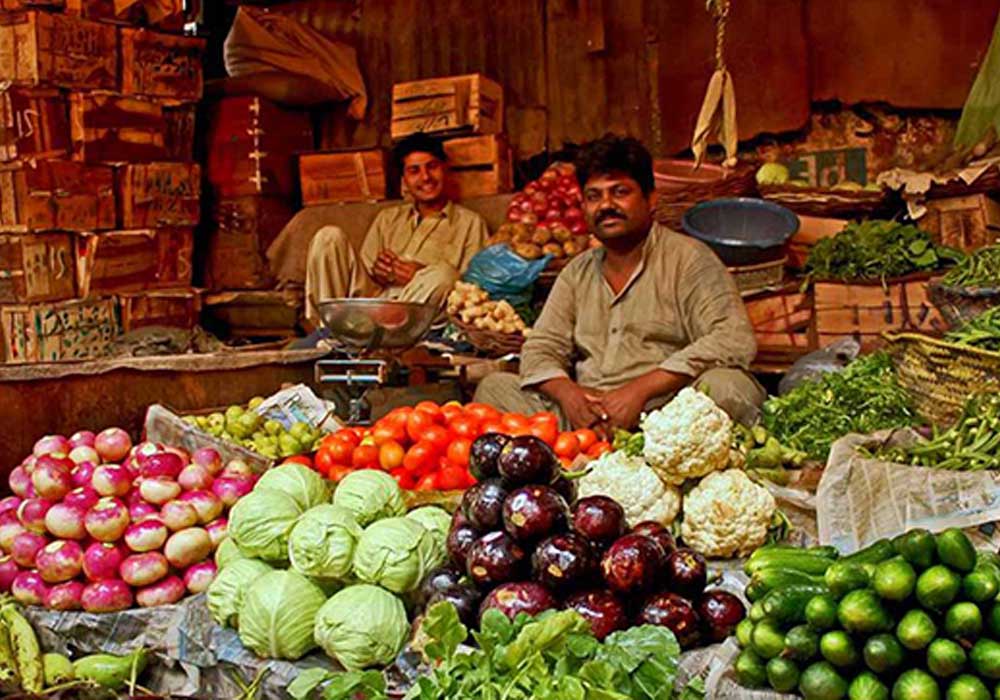
Food inflation remained a major driver of the overall rise. Prices of chicken registered a sharp increase of 13 percent during the month, while fruits became costlier by 11.25 percent and vegetables by 5 percent. Other essential food items also saw upward movement, with pulses rising by 2.78 percent and meat by 1.53 percent. In addition, bakery products and dry fruits recorded noticeable price hikes, adding further pressure on household budgets.
Energy and transport costs also showed significant increases. Petroleum products became more expensive by around 18 percent, a development that had a cascading effect on transportation. As a result, transport fares surged by more than 9 percent during March. Electricity tariffs also went up by over 5 percent, contributing to the overall inflationary trend.
Despite the widespread increase in prices, some relief was observed in selected food items. Tomato prices declined sharply by 29 percent, while potatoes became cheaper by 12 percent. Wheat prices dropped by 5.48 percent, and eggs saw a substantial decrease of 18 percent. Similarly, the prices of gram, flour, sugar, beverages, and onions also recorded a downward trend during the month.
On a year-on-year basis, the inflationary impact remained evident in key sectors. Transport costs increased by 12.49 percent compared to the same period last year, while electricity, gas, and water charges rose by 11.50 percent. Food and beverage prices posted an annual increase of 3.55 percent. However, perishable food items showed a contrasting trend, with prices declining by 6.91 percent over the year.