
Differences have surfaced within parliament over the implementation of an austerity policy proposed by Prime Minister Shehbaz Sharif, with several lawmakers refusing to accept a cut in their salaries amid the prevailing tense regional situation.
The forms were circulated among members of Parliament seeking their consent for a 25 percent deduction from their salaries as a donation. However, a majority of lawmakers did not return the forms, indicating reluctance to endorse the proposal.
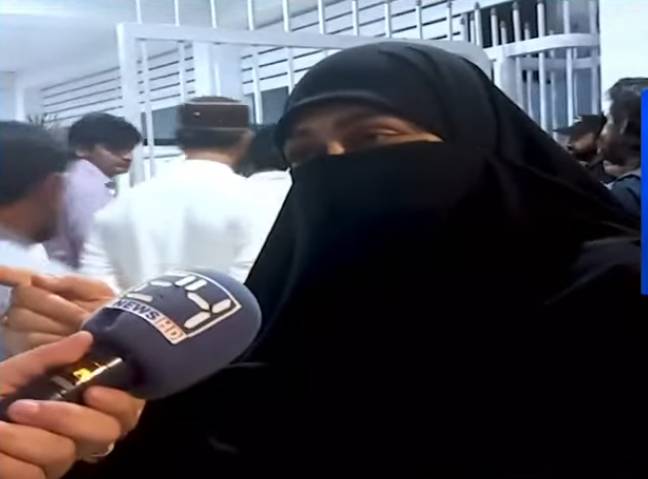
Jamiat Ulema-e-Islam-Fazl group (JUI-F) Member of the National Assembly (MNA) Aaliya Kamran said that lawmakers are contributing voluntarily rather than through enforced deductions. She emphasised that any amount deducted should ultimately reach the public, stressing the need for transparency in the utilisation of such funds.
She explained that parliamentarians were approached for consent before any deduction could be made, but many did not respond to the request.
Sources revealed that the forms were dispatched to members of the National Assembly by the Assembly Secretariat, while senators received similar forms from the Senate Secretariat. The lack of response from a large number of lawmakers has highlighted internal divisions over the austerity initiative.
It is pertinent to mention here that last month, on March 9, the federal cabinet decided to forgo two months’ salaries as part of a broader austerity drive aimed at conserving resources and maintaining economic stability amid the ongoing war in the Middle East.
The decision was taken during a consultative meeting on austerity measures chaired by the prime minister, Shehbaz Sharif. During the session, Finance Minister Muhammad Aurangzeb briefed participants on the need to conserve petroleum products and adopt cost-cutting measures at the government level in light of the prevailing global situation.
The meeting was attended by senior members of the federal cabinet, including Ishaq Dar, Muhammad Aurangzeb, Ahsan Iqbal, Owais Leghari, Ali Pervaiz Malik, Attaullah Tarar, Musadik Masood Malik and Haroon Akhtar.
Later on March 19, Prime Minister Shehbaz Sharif chaired a high-level review meeting to assess the implementation of fuel conservation and austerity measures in light of the rapidly deteriorating regional situation, particularly in the Middle East.
During the meeting, officials briefed participants on the country’s current petroleum reserves, consumption patterns, and incoming cargoes. It was conveyed that Pakistan currently has sufficient stocks of petroleum products to meet domestic demand, with additional supplies being arranged to ensure continuity.
However, authorities warned that the unstable regional environment could significantly impact fuel supply chains in the coming days, necessitating stricter conservation measures.
On March 26, the Economic Coordination Committee (ECC) of the Cabinet approved a summary submitted by the Finance Division seeking a technical supplementary grant (TSG) of Rs100 billion for onwards transfer to the Prime Minister’s Austerity Fund 2026.
The ECC met under the chairmanship of Federal Minister for Finance and Revenue Senator Muhammad Aurangzeb. According to an official statement, the ECC approved a summary submitted by the Finance Division seeking a Technical Supplementary Grant of Rs100 billion for onwards transfer to the Prime Minister’s Austerity Fund 2026.
The ECC approved the procurement of up to 1.0 million metric tonnes of wheat through a transparent and competitive process to be executed by the private sector, while directing that key elements, including financial implications, pricing benchmarks, and operational modalities, be further refined in consultation with the Finance Division before finalisation.