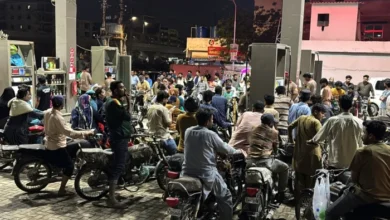


A sharp increase in fuel prices has triggered widespread public anger across the country. Citizens have expressed strong dissatisfaction after the government announced a significant rise in petrol and diesel rates, pushing costs to unprecedented levels. The hike is expected to impact daily life, transport expenses, and the prices of essential goods.
Petrol prices have been increased by Rs137.23 per litre, raising the new rate to Rs458.40 per litre. Diesel has seen an even steeper rise of Rs184.49 per litre, reaching Rs520.35 per litre. The sudden surge has been described by many as beyond expectations, intensifying concerns about inflation and affordability.
Residents in major cities have voiced frustration, stating that their monthly budgets are already under pressure and the latest increase will further worsen their financial situation. Many citizens believe that rising fuel costs will have a cascading effect on transportation fares, food prices, and other daily necessities. Some have accused the government of placing an additional burden on the public without a corresponding increase in incomes.
People from middle- and lower-income groups are expected to be the most affected. Families relying on fixed incomes fear they will struggle to manage basic household expenses. Citizens have urged the government to reconsider the decision and take measures to reduce fuel prices in order to provide relief and control inflation.
Economists have also warned that the fuel price hike will contribute to a broader increase in inflation. Since fuel is a key input in transportation and production, higher prices are likely to push up the cost of goods and services across multiple sectors. They suggest that careful and balanced policy decisions are needed to protect vulnerable segments of society from further economic strain.
Officials have linked the price increase to global market conditions. Pakistan imports a large portion of its petroleum needs, and international oil prices have risen sharply in recent days. According to the petroleum minister, nearly 90 percent of the country’s oil is imported from regional markets, where prices have surged significantly. Reports indicate that diesel prices in the international market have crossed $250 per barrel, placing additional pressure on domestic pricing.