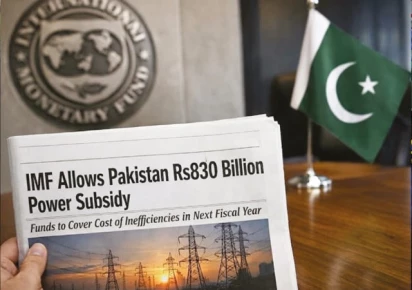

The International Monetary Fund (IMF) has approved Pakistan’s plan to provide Rs830 billion in electricity subsidies for the next financial year. This decision comes as part of ongoing financial agreements between Pakistan and the IMF, aimed at stabilizing the country’s economy while supporting the public.
The approved subsidy amount is less than what the government originally requested, showing that the IMF is encouraging Pakistan to manage its spending carefully. At the same time, the approval gives some relief to citizens who are already facing high electricity costs.
The subsidy will be used for several important purposes. It will help reduce electricity bills for consumers, support farmers through cheaper power for tube wells, and clear outstanding payments related to former tribal areas. A large portion of the funds will also go toward addressing the issue of circular debt in the power sector, which has been a long-standing problem in Pakistan.
However, the IMF has set certain conditions along with this approval. Pakistan has agreed to gradually increase electricity prices in the future, especially around 2027. The purpose of this condition is to make the power sector more financially stable and reduce dependence on subsidies over time.
Reports also indicate that around Rs300 billion from the total subsidy will be used to cover losses caused by electricity theft and poor recovery of bills. These issues continue to put pressure on the country’s energy system and finances.
Officials believe this move reflects a balance between providing immediate relief and ensuring long-term reforms. While subsidies will help consumers in the short term, structural changes are needed to improve efficiency, reduce losses, and strengthen the power sector.
Experts say that although this decision will ease the burden on the public for now, rising electricity prices in the future may increase financial pressure on households and businesses. Therefore, the government will need to carefully manage reforms while maintaining support for vulnerable groups.