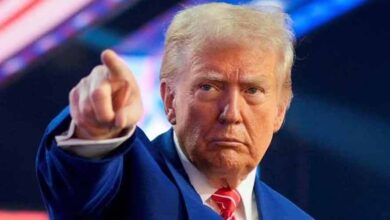
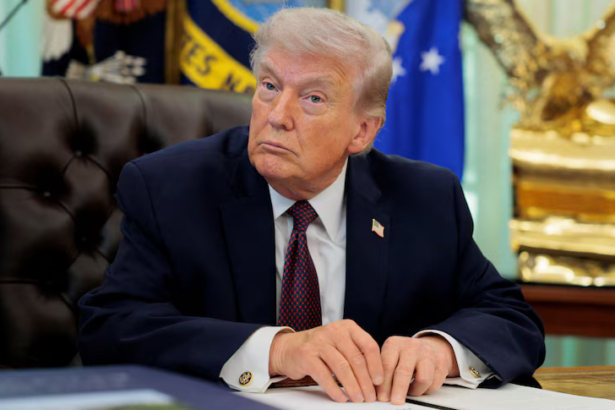

NEW YORK: President Donald Trump hailed the rescue of a US airman in Iran as an “Easter miracle,” drawing sharp criticism for blending religious rhetoric with military action.
Speaking on NBC’s Meet the Press, Trump described the mission as divinely blessed. “The rescue was an Easter miracle,” he said, while several cabinet members echoed the sentiment in their own messages. Treasury Secretary Scott Bessent invoked the symbolism of Easter, calling the operation “one of the greatest search and rescue missions in military history.” Defense Secretary Pete Hegseth posted “God is good” on his private account, amplifying Trump’s remarks.
Trump also used religious language in a separate social media post, threatening to strike Iranian power plants and bridges if Tehran did not reopen the Strait of Hormuz. He signed off with “Praise be to Allah,” a phrase that surprised many observers.
Critics argued that the administration blurred the line between faith and policy. Traditionally, presidents issue Easter greetings without tying them to military operations. This year’s messaging, however, framed the war as a just cause backed by divine approval.
Axios reported that the rescued officer himself uttered “God is good” over the radio after ejecting from his aircraft, a phrase later repeated by Trump and his cabinet.
Trump has often invoked religion in political contexts. At his 2025 inauguration, he said God saved him from an assassination attempt during the 2024 campaign. “I felt then and believe even more so now that my life was saved for a reason. I was saved by God to make America great again,” he declared.
The president’s latest remarks sparked backlash even within his own party. Former Representative Marjorie Taylor Greene accused Trump of betraying Christian values. Writing on X, she said Christians in government should “pursue peace” rather than escalate war, emphasizing that Jesus’ teachings call for forgiveness and love, even toward enemies.
The controversy highlights the tension between Trump’s use of religious symbolism and the broader debate over America’s role in the Iran conflict. While supporters see his rhetoric as inspirational, critics warn that invoking faith to justify military action risks deepening divisions at home and abroad.