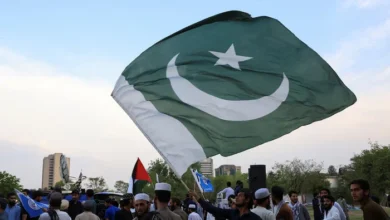
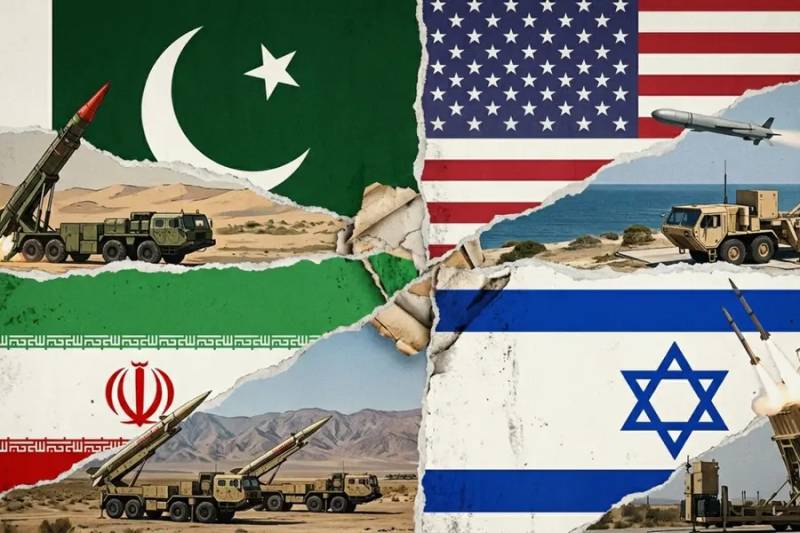

In an era defined by volatility, where global conflicts escalate at the speed of a missile launch and diplomacy often lags behind destruction, Pakistan has delivered a rare and consequential intervention. The recent ceasefire between Iran and the United States—amid the wider confrontation involving Israel—stands as a testament to Islamabad’s renewed diplomatic relevance.
At the centre of this breakthrough were two pivotal figures: Chief of Army Staff General Asim Munir and Prime Minister Shehbaz Sharif. Their coordinated effort, conducted largely behind closed doors, reflects a strategic maturity that deserves both recognition and careful analysis.
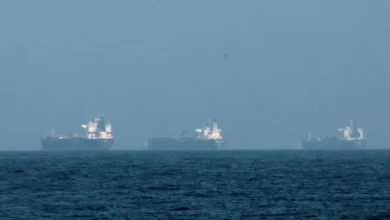
The conflict itself had spiralled dangerously. Weeks of direct and proxy strikes had pushed the Middle East to the edge of a broader regional war, threatening global energy routes and economic stability. The Strait of Hormuz—through which a significant portion of the world’s oil flows—had become a geopolitical choke point. A miscalculation at this stage could have triggered consequences far beyond the region.
It is in this context that Pakistan’s intervention must be understood.
Pakistan played a decisive role in bringing Washington and Tehran to the negotiating table, facilitating a ceasefire designed to halt hostilities and create space for dialogue. The agreement, though fragile, has already averted what could have been a catastrophic escalation.
General Asim Munir’s role appears to have been particularly critical. Leveraging institutional credibility and strategic relationships with both Western and regional actors, he helped establish communication channels at a time when mistrust was at its peak. This is not merely a function of military diplomacy—it reflects a broader recalibration of Pakistan’s strategic posture.
Prime Minister Shehbaz Sharif, meanwhile, provided the political leadership necessary to translate these efforts into a coherent diplomatic initiative. By aligning civilian and military channels, his government ensured that Pakistan spoke with one voice—a rarity in the country’s often fragmented policy landscape. His public characterisation of the ceasefire as a “shining moment” for Pakistan underscores the significance Islamabad attaches to this achievement.
What makes this development particularly noteworthy is not just the ceasefire itself, but the manner in which it was achieved. Pakistan did not act unilaterally; rather, it engaged key global stakeholders, including China, to guarantee the arrangement and sustain momentum towards further negotiations. This multilateral approach signals a sophisticated understanding of contemporary geopolitics, where influence is exercised through networks rather than dominance.
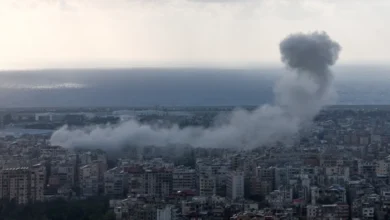
However, realism demands that we acknowledge the limitations. The ceasefire remains tenuous. Israeli operations in Lebanon and conflicting interpretations of the agreement’s scope have already raised concerns about its durability. Diplomacy, in such contexts, is not a singular event but an ongoing process—one that requires constant vigilance.
Yet, even with these challenges, Pakistan’s role cannot be understated.
For years, critics have questioned Islamabad’s relevance on the global stage, often reducing its foreign policy to reactive manoeuvres. This episode challenges that narrative. It demonstrates that Pakistan, when guided by strategic clarity and institutional cohesion, can act as a stabilising force in an increasingly unstable world.
The credit, therefore, must be shared between the military leadership under General Asim Munir and the civilian government led by Prime Minister Shehbaz Sharif. Together, they have shown that Pakistan’s strength lies not merely in its geography or military capability, but in its ability to bridge divides that others cannot.
In a region accustomed to the language of conflict, Pakistan has, at least momentarily, reintroduced the language of restraint.
That, in itself, is no small achievement.