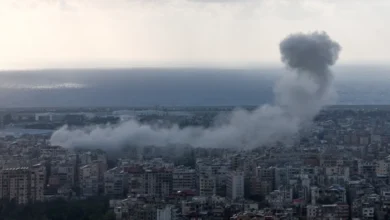
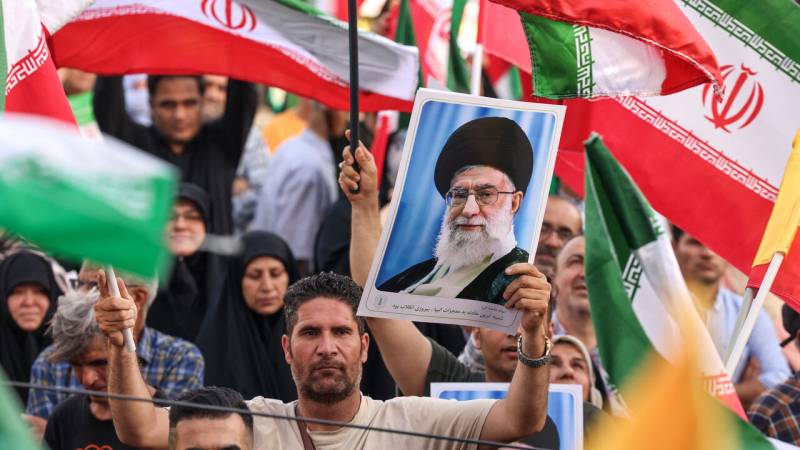

The ongoing negotiations between the United States and Iran for a ceasefire mark a profound shift in global power dynamics. For decades, the United States projected itself as the undisputed superpower, capable of shaping geopolitical outcomes through military, economic, and diplomatic dominance. However, the very fact that Washington is now engaged in negotiations with Tehran—after a prolonged confrontation—signals not merely a tactical pause but a deeper structural transformation in the international system. This moment reflects the limits of American power and the emergence of a more complex, multipolar world.
At the core of this development lies the inability of the United States to achieve decisive strategic objectives against Iran. Despite overwhelming military superiority, advanced technology, and global alliances, Washington failed to compel Tehran into submission. Instead, Iran demonstrated resilience through asymmetric warfare, regional alliances, and strategic patience. By sustaining pressure and avoiding direct capitulation, Iran effectively forced the United States into a negotiating position. In geopolitical terms, this represents a shift from coercive dominance to reluctant engagement—an outcome that undermines the traditional perception of American supremacy.
Equally significant is the marginalization of Israel in these negotiations. Historically, Israel has played central role in shaping U.S. Middle East policy. However, its absence from the negotiation table in Islamabad suggests a divergence of interests and a limitation of its influence in this specific context. If the ceasefire materializes without direct Israeli participation, it will underscore a strategic reality: regional conflicts can no longer be dictated solely by traditional alliances. This development may be interpreted as a setback for Israel’s long-standing strategic ambitions and its vision of regional dominance.
The implications of this evolving scenario extend far beyond the immediate conflict. From a geostrategic perspective, Iran’s emergence as a resilient and influential regional power is undeniable. The country has demonstrated its ability to withstand external pressure while maintaining internal cohesion and projecting influence across the Middle East and the Gulf. This newfound stature positions Iran as a central actor in regional security architecture, compelling both allies and adversaries to recalibrate their strategies.
Geopolitically, the negotiations signify the erosion of the unipolar world order that emerged after the Cold War.
The United States no longer enjoys uncontested authority; instead, it must navigate a landscape characterized by competing powers and regional assertiveness. The rise of countries like China, the reassertion of Russia, and the strategic autonomy of regional actors such as Iran collectively contribute to a diffusion of power. In this context, diplomacy becomes a necessity rather than a choice, and negotiations replace unilateral action as the primary tool of conflict resolution.
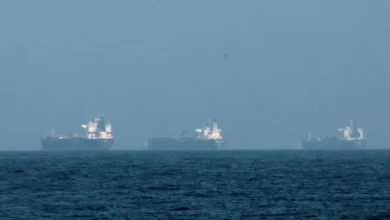
Geo-economically, the conflict and subsequent negotiations have far-reaching consequences. Prolonged instability in the Middle East has already disrupted global energy markets, highlighting the vulnerability of the international economic system to regional conflicts. Iran’s ability to maintain its economic resilience despite sanctions further challenges the effectiveness of economic coercion as a policy tool. Moreover, the potential normalization of relations between the United States and Iran could reshape trade routes, energy flows, and investment patterns, thereby altering the global economic landscape.
Another critical dimension is the perceived decline of ideological projects such as “Greater America,” “Greater Israel,” and “Greater India.” While these concepts differ in scope and intent, they share a common aspiration for expanded influence and dominance. The current situation suggests that such ambitions face significant constraints in an interconnected and multipolar world. Military power alone is insufficient to achieve long-term strategic goals; instead, success increasingly depends on diplomacy, economic integration, and regional cooperation.
The Abraham Accords, once hailed as a breakthrough in Middle Eastern diplomacy, also face challenges in this new context. If Iran emerges stronger and more influential, the strategic calculations underlying these agreements may shift. Countries that normalized relations with Israel may now reassess their positions, balancing their interests between competing regional powers. This does not necessarily render the accords obsolete, but it does highlight their limitations in addressing deeper structural tensions within the region.
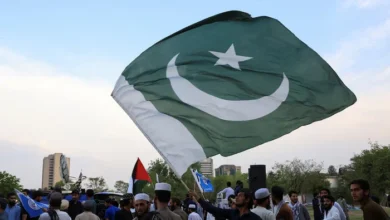
Amid these developments, Pakistan’s role as a facilitator of peace deserves attention. By advocating dialogue and supporting diplomatic initiatives, Pakistan has positioned itself as a constructive actor in international affairs. This approach reflects a broader trend in which middle powers leverage diplomacy to enhance their global standing. Pakistan’s efforts underscore the importance of mediation and conflict resolution in an era where great power rivalry often exacerbates tensions.
From a broader perspective, the negotiations between the United States and Iran illustrate a fundamental lesson: power in the 21st century is multidimensional and cannot be sustained through military means alone. The decline of America as an uncontested superpower does not imply its irrelevance; rather, it signifies a transition to a more balanced and interconnected world order. The United States remains a major power, but it must adapt to new realities by embracing multilateralism and recognizing the agency of other actors.
The current ceasefire negotiations represent more than a temporary de-escalation; they symbolize a turning point in global politics. Pakistan and China have provided face saving to United States to skip from war against Iran. Bringing hegemonic United States to negotiation table is great success of Iran. The inability of the United States to secure a decisive victory, the rising influence of Iran, the shifting role of Israel, and the broader transformation of the international system collectively point to the end of unipolar dominance. This evolving landscape demands a rethinking of strategies, priorities, and assumptions. The era of unquestioned American supremacy is giving way to a more complex and dynamic world, where power is shared, contested, and constantly renegotiated.
The writer is an editor, expert International Affairs, book ambassador and author of several books on politics and international relations based in Islamabad.