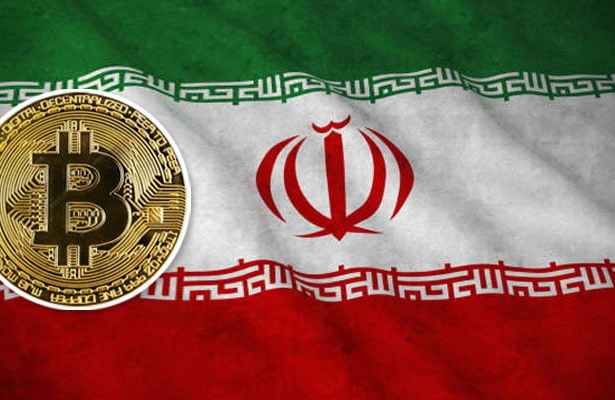

Iran is reportedly exploring the possibility of collecting transit fees from oil tankers passing through the strategic Strait of Hormuz using cryptocurrency, a move seen as an attempt to bypass international sanctions and reduce exposure to global financial monitoring systems, according to reports cited by an American newspaper.
The Strait of Hormuz, one of the world’s most critical maritime chokepoints, handles a significant portion of global oil shipments. Any change in its fee collection mechanism could have wide-reaching implications for international energy trade and financial transparency in shipping routes.
Crypto as an Alternative Payment Channel
According to the report, Iran’s interest in receiving transit payments in digital currencies is linked to its expanding crypto-based financial ecosystem, which is estimated to be worth around $7.8 billion. Analysts suggest that Tehran views cryptocurrency as a practical tool for conducting cross-border transactions while avoiding restrictions imposed by Western sanctions and traditional banking systems.
Hamid Hosseini, spokesperson for the Iranian Oil, Gas and Petrochemical Products Exporters Union, was quoted as saying that Iran currently charges approximately $1 per barrel from oil tankers passing through the Strait of Hormuz. He further indicated that there is growing interest in settling such payments through cryptocurrency channels, which would make transactions harder to track, block, or freeze under sanctions regimes.
Sanctions Evasion and Digital Finance Strategy
Experts believe that Iran’s increasing reliance on digital assets reflects a broader strategy to maintain international trade flows despite financial isolation. Cryptocurrencies, which operate outside centralized banking systems, offer a level of anonymity and decentralization that can complicate enforcement of sanctions.
The report also highlights concerns among international observers regarding the potential use of crypto assets by state-linked entities and affiliated groups. Some intelligence and blockchain analytics assessments suggest that digital currencies may be used for a range of activities, including commercial transactions and procurement processes that are otherwise restricted under sanctions.
Blockchain Analytics Findings
Data from blockchain analysis firm Chainalysis indicates that a significant portion of cryptocurrency activity linked to the region may be associated with high-risk or sanctions-sensitive operations. The firm estimates that more than half of certain tracked activities could be connected to commercial or procurement-related purposes involving sanctioned entities.
However, such assessments remain subject to debate among analysts due to the pseudonymous nature of blockchain transactions and the difficulty of definitively attributing wallet activity to specific organizations.
Central Bank Crypto Holdings Reported
The report further claims that Iran’s Central Bank has accumulated at least $507 million worth of Tether (USDT), a widely used stablecoin pegged to the US dollar. If accurate, this would indicate a growing institutional interest in digital assets as a store of value and a liquidity tool within Iran’s constrained financial environment.
Growing Global Concern
The potential shift toward cryptocurrency-based state transactions has raised concerns among policymakers and financial regulators worldwide. Critics argue that such mechanisms could undermine sanctions enforcement and complicate global efforts to regulate illicit financial flows.
At the same time, supporters of digital finance argue that cryptocurrencies are increasingly becoming part of the global economic landscape, especially for countries seeking alternatives to traditional banking systems.