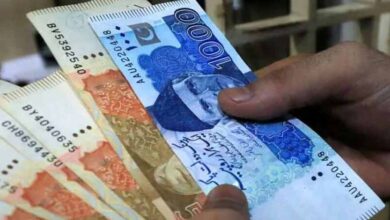

Pakistan is witnessing a sharp rise in inflation as ongoing tensions in the Middle East continue to ripple through the global economy, driving up fuel and food prices across the country. The latest data paints a worrying picture for households already grappling with financial strain.
According to recent figures, weekly inflation has surged by 1.93%, nearly doubling from 1.01% recorded the previous week. On an annual basis, inflation has jumped significantly from 9.12% to 12.15%, highlighting a rapid escalation in the cost of living.

A major factor behind this spike is the steep increase in fuel prices. Within just one week, diesel prices soared by 54.71%, while petrol rose by 17.86%. Liquefied Petroleum Gas (LPG), widely used for cooking in many households, also saw an 8.61% increase, adding further pressure on domestic budgets.

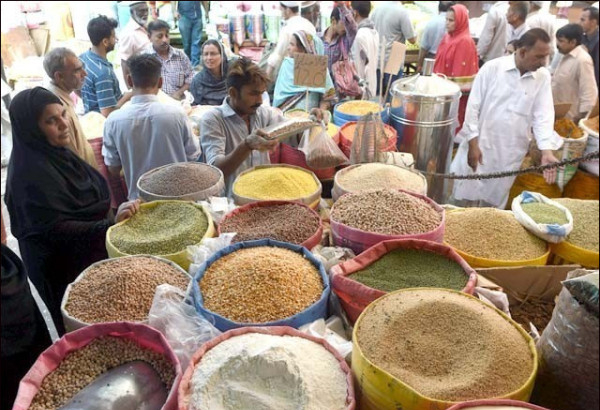
The impact has extended to essential food items. Prices of tomatoes increased by 9.35%, potatoes by 4.13%, onions by 3.84%, and eggs by 3.77%. Additionally, the cost of staple foods such as beef, mutton, bread, and cooked lentils also moved upward, making everyday meals more expensive for ordinary citizens.

However, there was slight relief in some areas. Prices of chicken, flour, ghee, and cooking oil recorded a decline, while garlic became cheaper by 3.78% and bananas by 3.39%. Despite these minor reductions, the overall trend remains heavily tilted toward rising costs.
The data further reveals how inflation is affecting different income groups. For households earning up to Rs17,732 per month, inflation increased by 0.75%, bringing the annual rate to 9.33%. For those earning between Rs17,733 and Rs22,888, inflation rose by 1.02%, reaching 11.50%.
Middle-income groups are also under pressure. Households earning between Rs22,889 and Rs29,517 saw inflation rise by 1.17%, while those in the Rs29,518 to Rs44,175 bracket experienced a 1.56% increase, pushing their inflation rate to 10.61%.
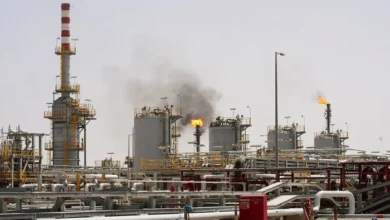
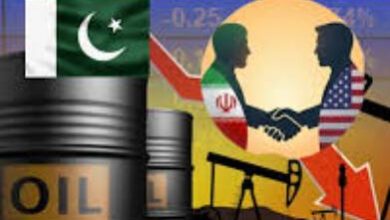
According to economic experts, rising global oil prices due to tensions in the Middle East have become a major challenge for countries like Pakistan that rely on imported fuel. If geopolitical tensions persist, inflationary pressures may continue to intensify, making it increasingly difficult for households to manage their daily expenses.
As uncertainty looms, all eyes remain on global developments and government measures to stabilize prices and provide relief to the public.